Featured Articles
- Reviving the Roar: How Electric Conversions Are Changing the Fate of Classic American Muscle Cars
- Revving Up Nostalgia: How American Muscle Cars Shaped 70s Subculture and Today's Retro Trends
- Revving Up Nostalgia: The Revival of Classic Muscle Car Culture Among Gen Z Enthusiasts
- Revving Up Nostalgia: The Surprising Resurgence of Muscle Cars in Eco-Friendly Customizations
- Revving Up Nostalgia: The Surprising Rise of Vintage Muscle Car Restoration in the Electric Era
Reviving the Roar: How Electric Conversions Are Changing the Fate of Classic American Muscle Cars
Reviving the Roar: How Electric Conversions Are Changing the Fate of Classic American Muscle Cars
Classic American muscle cars are undergoing a radical transformation as electric conversions breathe new life into these iconic vehicles. This article explores the profound impact of electrification on the muscle car community, blending nostalgia with innovation in an unexpected yet exciting way.
The Electric Revolution in the Garage
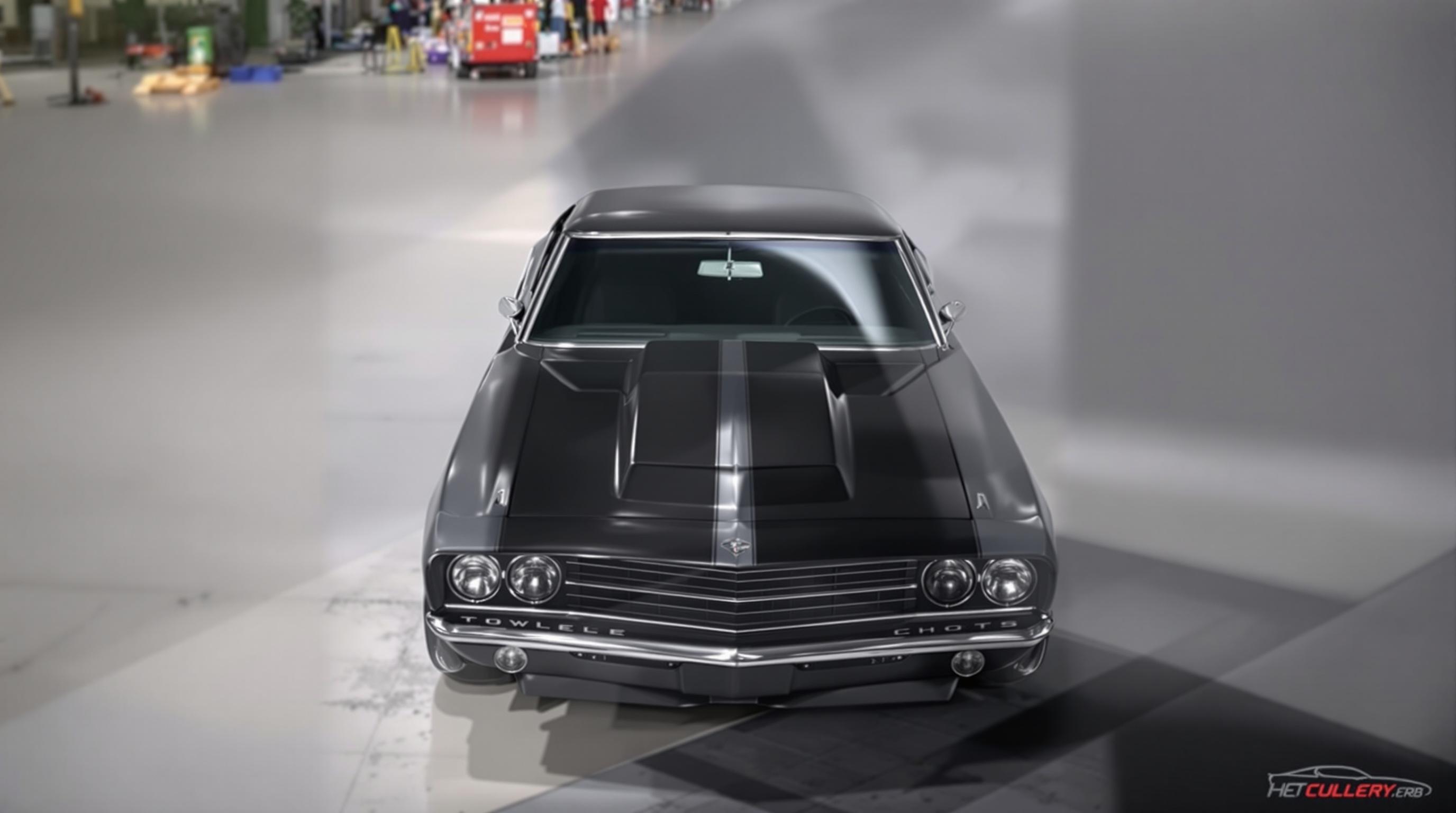
Picture this: a pristine 1969 Chevrolet Camaro, its sleek body glistening under the California sun, but instead of the familiar rumble of a V8 engine, it hums with the sound of modernity. This is the new reality of muscle cars, as enthusiasts turn their backs on fossil fuels, opting for electric conversions that preserve the aesthetic but enhance the driving experience.
Why Convert to Electric?
So, why are classic car lovers trading their growling engines for whisper-quiet electric motors? For one, environmental concerns are pushing many to rethink their choices. According to the EPA, transportation contributes to about 29% of the total greenhouse gas emissions in the U.S. By converting to electric, car owners can enjoy their passion while minimizing their carbon footprint. Plus, who can resist the allure of instant torque? Electric motors deliver power instantly, transforming the driving experience into something otherworldly.
The Case of the Electric Mustang
Take the classic Ford Mustang as a prime example. Numerous individuals have embarked on the journey of converting their beloved Mustangs into electric versions. One notable case is that of a 1968 Mustang owned by a dedicated enthusiast. After a lengthy conversion process undertaken in a suburban garage, the car now boasts an electric powertrain that accelerates from 0-60 mph in just 3.8 seconds—a feat that its gas-guzzling ancestor could only dream of.
A Shift in the Community
Yet, electrification is not without its controversies. The traditionalists in the muscle car community often view electric conversions with skepticism, fearing that it dilutes the essence of what a muscle car represents. But as the younger generation—who often prioritize sustainability—begins to join the ranks of car enthusiasts, the divide appears to be shrinking. Online forums and social media groups are buzzing with discussion, showcasing projects that bridge the gap between preservation and innovation.
Financial Considerations: Worth the Investment?
Let’s talk numbers. The cost of a complete electric conversion can range from $10,000 to $40,000, depending on the level of customization and technology involved. While this may seem steep, consider the long-term savings on fuel and maintenance. Additionally, electric vehicles (EVs) typically require less upkeep than their gasoline counterparts. According to a study from the International Council on Clean Transportation (ICCT), electric vehicles can save owners approximately $700 a year in maintenance costs.
Preserving the Soul
Despite the benefits, there’s a lingering concern among purists about the soul of the classic muscle car being sacrificed in the name of progress. However, many converters are seeking to retain the authenticity of these vehicles. Some go as far as to incorporate old-school aesthetics, combining retro styling with modern technology. A classic car still feels and looks like a classic car, but with the added benefits of electric propulsion.
Sharing Success Stories
For instance, the story of a 1970 Pontiac GTO conversion showcases this balance beautifully. The owner, who has spent nearly two years on the project, replaced the original engine with an electric setup that retains the car’s weight distribution and performance characteristics. Not only does the vehicle replicate the classic look, but it also offers features like regenerative braking, enhancing the driving experience. The emotional investment in such projects transcends the technical aspects; it becomes about honoring the past while embracing the future.
Challenges on the Road Ahead
However, transitioning to electric conversions does present its own set of challenges. Range anxiety is often cited as a major concern, although advancements in battery technology continue to alleviate these fears. Today's lithium-ion batteries provide extended ranges—some conversions now exceed 200 miles on a single charge. Moreover, the installation process itself requires technical know-how that many enthusiasts might not possess. Collaboration among community members is essential to provide guidance and support in tackling these hurdles.
A Greener Future for Muscle Cars
Interestingly, the passion for muscle cars and electric cars is not as contradictory as it may seem. The original muscle cars thrived on the thrill of speed, the love of craftsmanship, and the joy of the drive. Electrification embodies these same values in a new light. The shift towards electric conversions could very well redefine what it means to be a car enthusiast in the 21st century. As battery technology and electric drivetrain efficiency continue to improve, there’s potential for exciting developments that can enhance both performance and sustainability.
Electric Muscle Car Events
Across the nation, events celebrating electric conversions are beginning to pop up. One such event, the Electric Vehicle Road Trip (EVRT), allows classic car owners to showcase their electrified builds while networking with other enthusiasts. Participants travel hundreds of miles, showcasing their conversions and the capabilities of electric technology. The excitement surrounding these events suggests that electric muscle cars will not only maintain their legacy but also create a new cultural phenomenon—a fusion of classic admiration and modern innovation.
A Light-hearted Look at the Future
If you think about it, there's something quite humorous about a quiet muscle car sneaking up on you. Imagine this scenario: You're out enjoying a peaceful Sunday drive when suddenly, a 1970 Dodge Charger glides by without the thunderous growl you expect. Instead, you hear what can only be described as the sound of a sewing machine whirring away! It’s a jarring contrast that seems oddly charming, almost like witnessing a grandparent who has traded their walker for rollerblades.
Consumers Speak Up
In a recent survey conducted by a classic car restoration magazine, 53% of respondents expressed interest in converting their classic vehicles to electric. It’s clear that there is a robust appetite for this transition—enough to rival your grandmother’s passion for knitting! The allure of owning a classic muscle car reinforced by modern technology is an irresistible combination for many. Consumers are looking for ways to maintain the aesthetics of their prized possessions while modernizing performance, safety, and environmental impact.
Final Thoughts: Revival Meets Innovation
As we venture deeper into the 21st century, the merging of classic styles with cutting-edge technology paints a promising future for muscle cars. Electric conversions are not merely a trend; they represent a revival—a chance to embrace nostalgia without dismissing the advancements that modern engineering offers. The roar may be subdued, but the spirit of the muscle car is alive and well, roaring louder than ever for a more sustainable future. Who knows? The next wave of collectors may find their treasures not just marinated in gasoline but powered by the thrill of electricity.
Related Articles