Featured Articles
- 12 Secrets of Vintage Car Paints: The Chemistry and Craft Behind Timeless Auto Finishes
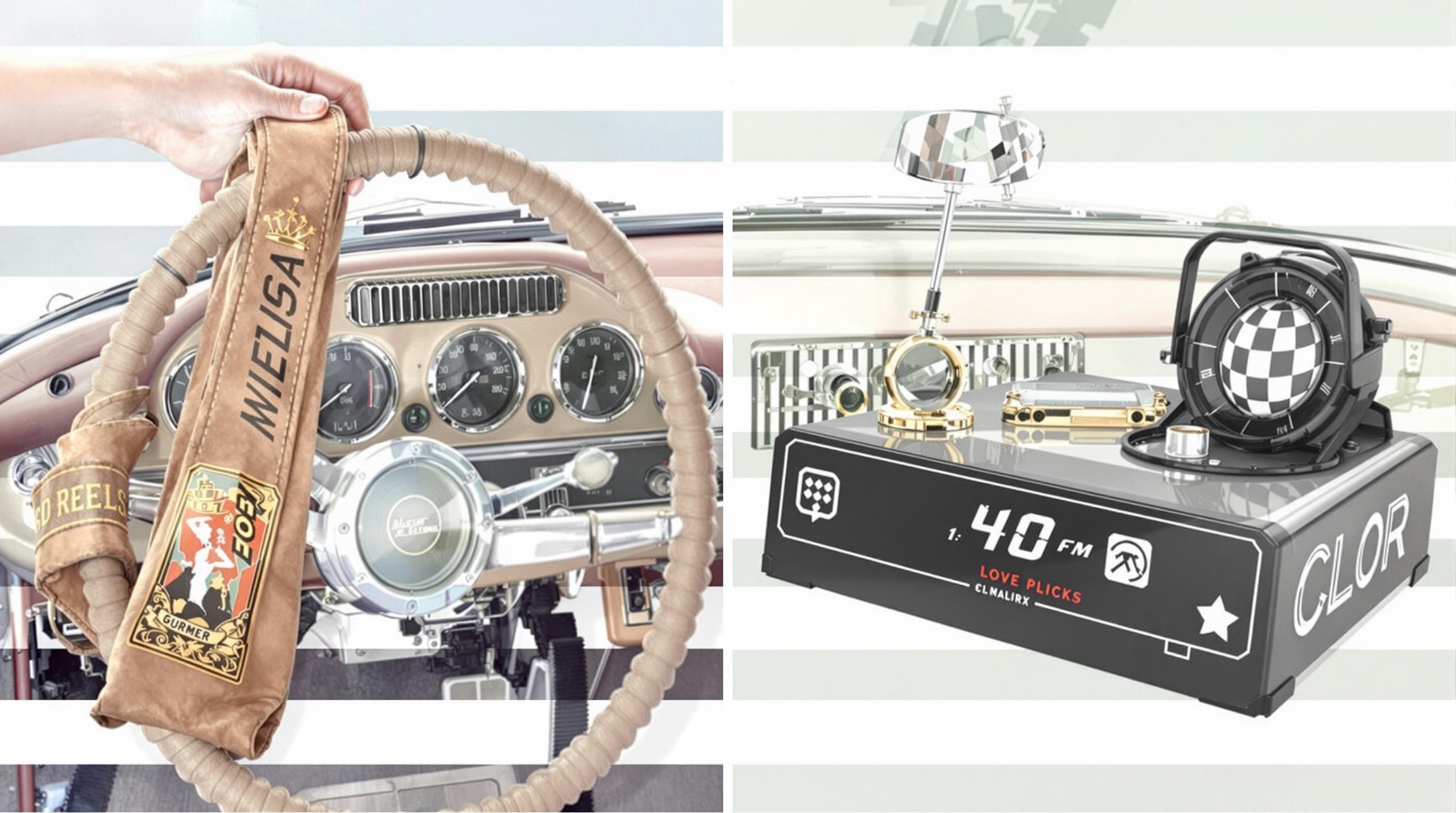
- Forgotten Features: Uncovering the Quirky Gadgets of Vintage Cars That Never Took Off
- Reviving Elegance: The Unexpected Rise of Retro Electric Conversions in the Vintage Car Community
- Reviving Rust: The Surprising Renaissance of Vintage Car Restorations in the Age of Sustainability
- Reviving the Classics: How Vintage Cars Are Influencing Modern Electric Vehicle Design
Reviving Elegance: The Unexpected Rise of Retro Electric Conversions in the Vintage Car Community
Reviving Elegance: The Unexpected Rise of Retro Electric Conversions in the Vintage Car Community
The resurgence of vintage automobiles has birthed an unexpected twist: the rise of retro electric conversions. As vintage car enthusiasts seek to combine timeless elegance with modern sustainability, this trend is transforming the landscape of classic car ownership.
The Allure of Vintage Cars
For many enthusiasts, there’s nothing quite like the feel of a classic car. The curves, the chrome, the roar of the engine—all those elements invoke a sense of nostalgia. According to the Classic Car Club of America, approximately 9 million vintage cars are still on the roads in the United States alone, and the numbers are growing. But as environmental consciousness rises, these gas-guzzlers face an existential crisis.
Bridging Tradition and Innovation
Imagine taking the pristine lines of a 1960s Ford Mustang and swapping its growling V8 engine for an electric motor. This is more than a wild idea; it’s becoming a reality that marries tradition with technology. Many aficionados are making this leap, allowing them to drive their lovingly restored vehicles while reducing their carbon footprint.
A Case Study: The Jaguar E-Type
Let's take the iconic Jaguar E-Type as an example. An expert at electric conversions, David L. of the boutique workshop Classic Electric Vehicles, recently transformed a classic E-Type into a modern marvel. With a range of 200 miles on a single charge and a 0-60 mph time that rivals most contemporary sports cars, David’s project is breathing new life into a storied vehicle. The thrilling part? It retains all the grace and aesthetics of the original design, showcasing the beauty of both worlds.
Going Green: Statistics That Matter
The transportation sector accounts for nearly one-quarter of greenhouse gas emissions in the U.S., according to the Environmental Protection Agency. By converting just a fraction of these vintage vehicles to electric, enthusiasts can collectively contribute to reducing harmful emissions. And while electric vehicles (EVs) make up only about 6% of car sales today, the vintage market is rapidly adapting, proving that classic does not have to mean archaic.
The Emotional Connection
What drives the passion for vintage cars? It’s not merely about aesthetics or power. For many, it’s about memories, love stories, and family connections. Jane, a 35-year-old electric conversion enthusiast, mentions, “When I drive my dad’s old Chevy, it’s like he’s with me. I felt guilty about using gas, so I decided to convert it. Now I feel good about honoring his memory and saving the planet donning my vintage car.”
Challenges in Conversion
Despite the advantages, the transition isn’t without challenges. Converting a classic car to electric often requires significant investment and engineering know-how. Costs can range from $6,000 to over $100,000, depending on the vehicle and the battery system chosen. Plus, retrofitting these vintage machines often leads to debates about originality and collector value.
An Unexpected Team-Up: Automakers and Startups
Interestingly, this trend has caught the attention of both large automakers and startups. Companies like Volkswagen have launched initiatives to support classic car electric conversions, providing resources and parts. On the other end, innovative startups like Charged Vehicles focus solely on retrofitting classic cars, creating a boom in this niche market.
The Humor of Conversion
And let’s not forget the humor surrounding this drastic change in vehicular identities. “I tell my friends I’m a ‘classic car electrician’, it’s the fanciest way to say I’m a guy with a wrench and a power source,” jokes Dan, a self-taught mechanic in San Diego. “But seriously, watching muscle cars silently glide down the road? That’s like watching a lion prance in ballet shoes—it’s wrong yet strangely delightful!”
Legality and Regulations
Before embarking on a conversion journey, folks should also be aware of local laws and regulations surrounding electric vehicles. Some states offer incentives for electric vehicles, while others impose restrictions. Researching local statutes can help ensure the project’s viability, making it an essential component of any retrofitting plan.
Designing the Future of Vintage Elegance
While some purists may rage against the tide, the reality is becoming clear: retro electric conversions are not just a fad, but a sustainable future for classic cars. With a combination of ingenuity, passion, and respect for the classics, the vintage car community is finding a path that honors the past while embracing the future. Statistically, EV adoption in the U.S. is predicted to reach 40% by 2030; the vintage market isn’t waiting around for trends to catch up.
A Community of Enthusiasts
The vintage automotive community on platforms like Instagram and Facebook has already seen a tremendous surge. It’s a melting pot of enthusiasts ranging from teens looking for their first car to retirees restoring their dream automobiles. The group is more high-tech than ever, sharing real-time updates on projects and collaborations that fuel this exciting movement.
Final Thoughts
In conclusion, the marriage of vintage elegance and cutting-edge electric technology is blossoming in a way many never anticipated. As more enthusiasts turn to retro electric conversions, we're witnessing a new chapter in car culture that honors the past but steers toward a greener future. Whether you are 16 or 70, the idea of marrying sustainability with nostalgia is one that resonates across generations. So who knows? Maybe the next time you see a classic car, it will be humming silently with an electric heart.
Related Articles