Featured Articles
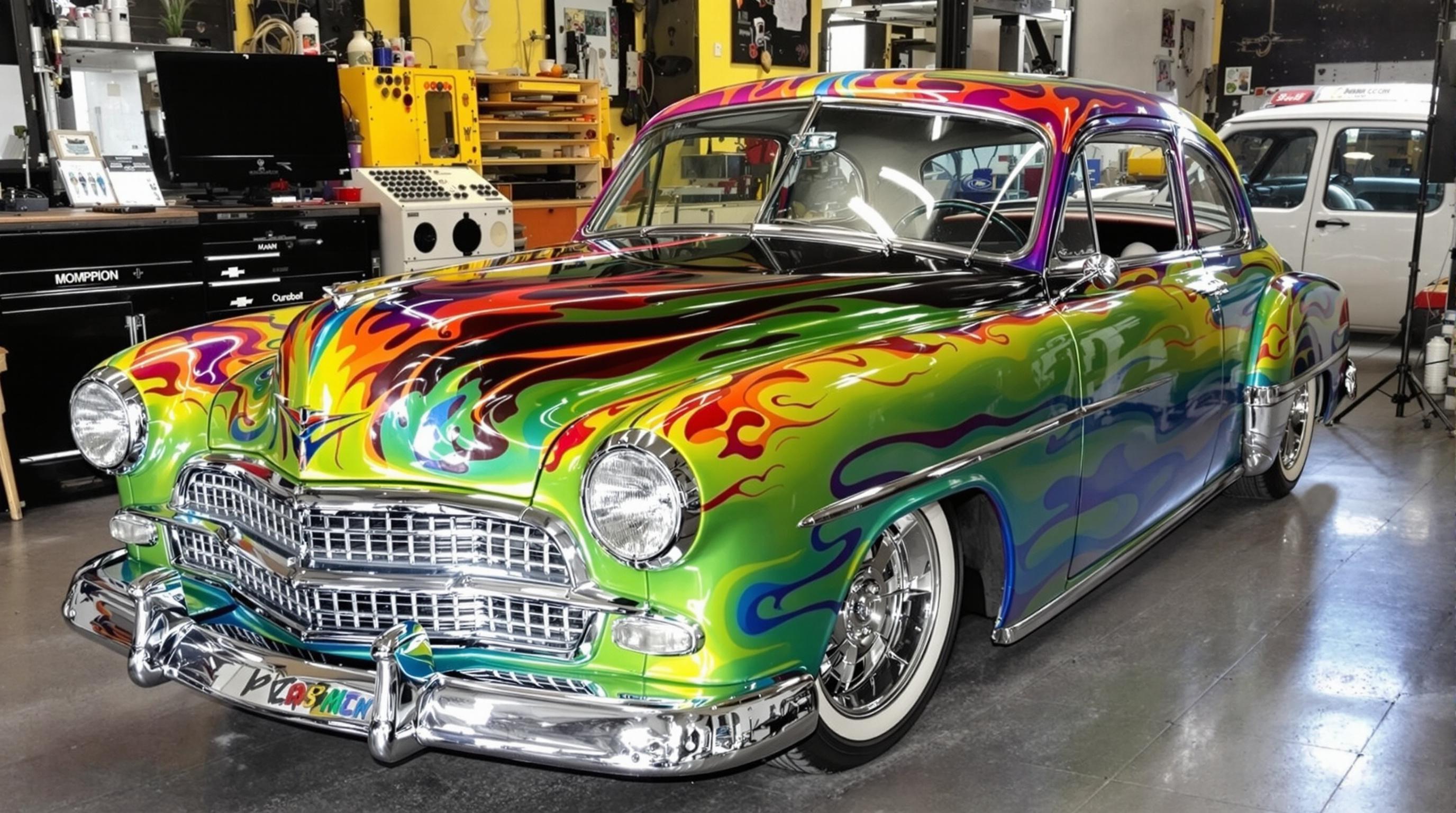
- 12 Secrets of Vintage Car Paints: The Chemistry and Craft Behind Timeless Auto Finishes
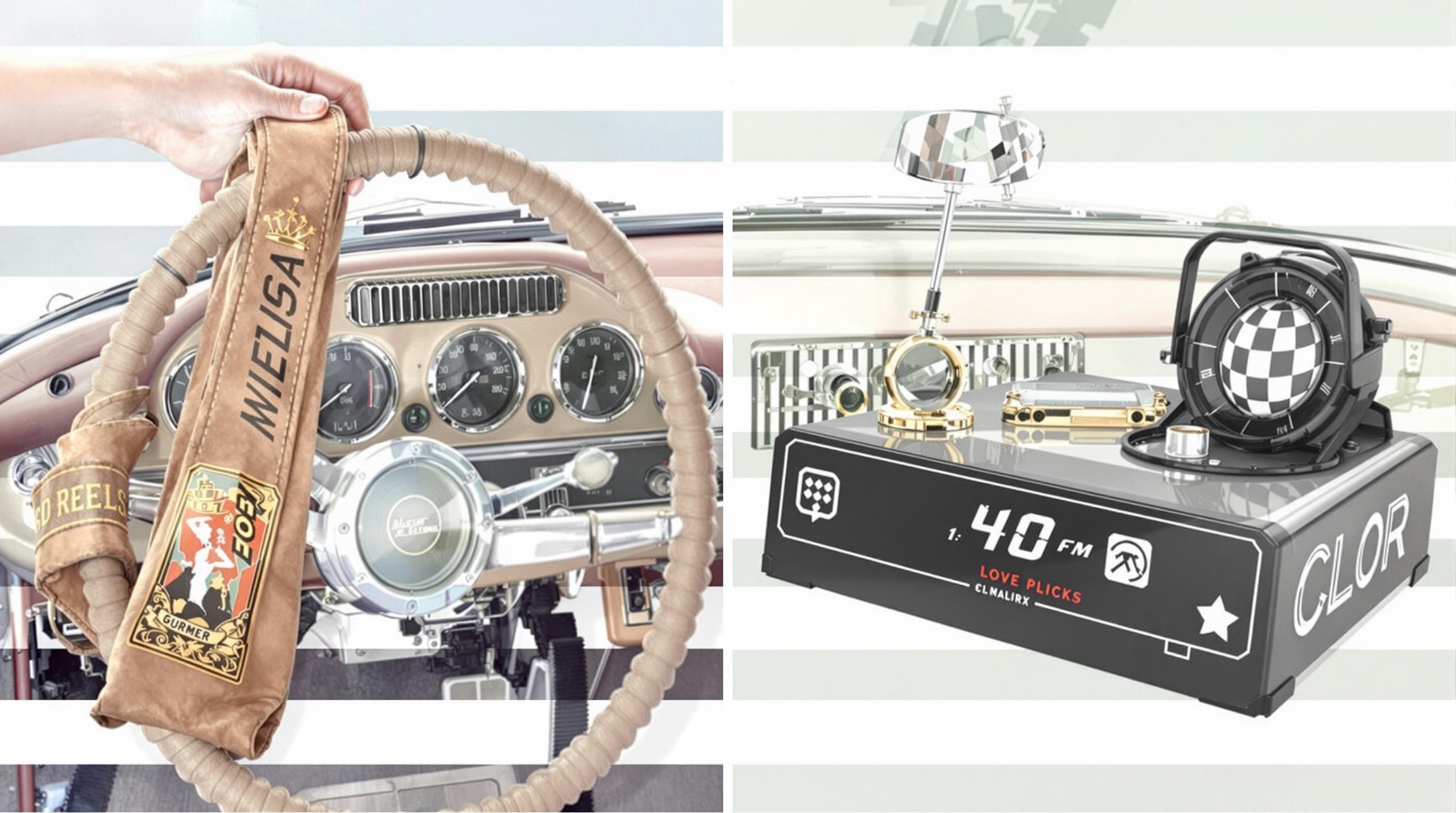
- Forgotten Features: Uncovering the Quirky Gadgets of Vintage Cars That Never Took Off
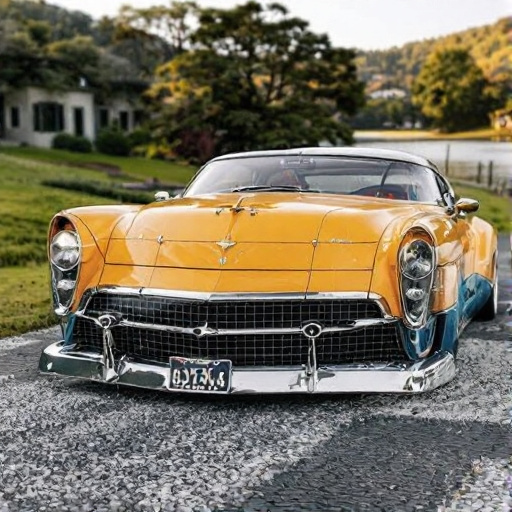
- Reviving Elegance: The Unexpected Rise of Retro Electric Conversions in the Vintage Car Community
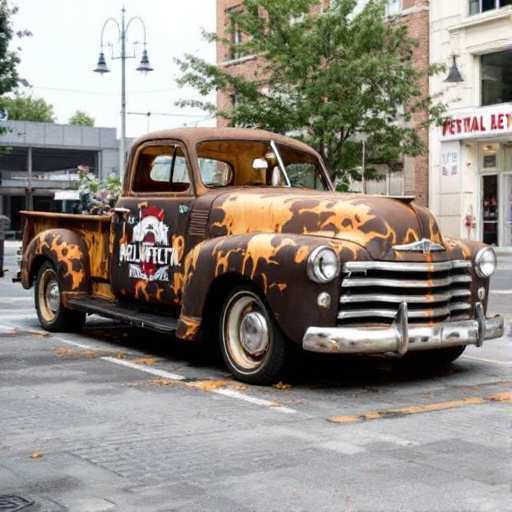
- Reviving Rust: The Surprising Renaissance of Vintage Car Restorations in the Age of Sustainability
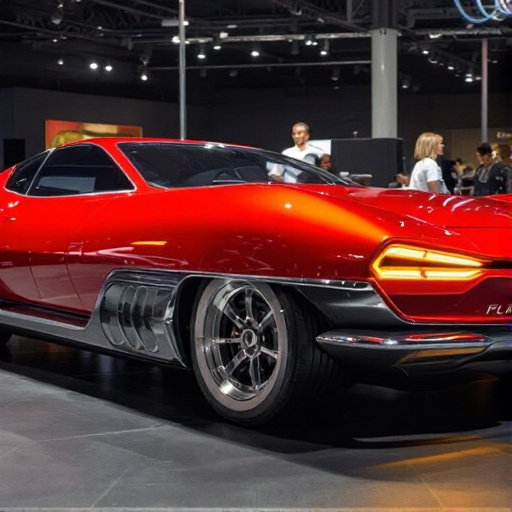
- Reviving the Classics: How Vintage Cars Are Influencing Modern Electric Vehicle Design
Reviving Rust: The Surprising Renaissance of Vintage Car Restorations in the Age of Sustainability
Reviving Rust: The Surprising Renaissance of Vintage Car Restorations in the Age of Sustainability
The revival of vintage car restorations is not merely a nostalgic trend but a sustainable movement driven by environmental awareness. As more enthusiasts dedicate themselves to reviving rusty relics from the past, they are paving a path toward a greener, more responsible automotive future.
The Allure of Nostalgia
For many, vintage cars represent a connection to simpler times, evoking fond memories of family road trips or the exhilarating freedom of youth. These emotional connections are so strong that statistics show classic cars can appreciate in value, with some models increasing by over 300% in a decade (Hagerty). In a world undeniably focused on the latest technology and disposable consumerism, the vintage car community embraces a slower, more mindful approach to ownership.
Statistics and Trends
According to a 2021 study by the Specialty Equipment Market Association (SEMA), the classic car restoration industry is a multi-billion dollar segment. In fact, it's projected to grow annually at a rate of 3.7% over the next five years. These numbers reflect not just a trend but a genuine surge in interest among all age groups, with younger enthusiasts passionately diving into restoration projects.
From Rust to Revival: The Restoration Process
The process of restoring a vintage car can be labor-intensive, demanding both skills and dedication—qualities that often mirror the ethos of sustainability. So what does it really take to breathe life back into these old machines? Mechanics often start with a thorough disassembly, assessing each component for wear and tear. Parts can be repaired or replaced using sustainable materials whenever possible, creating a new narrative for each vehicle’s life cycle.
Sustainability in Focus
As we draw connections between vintage car restorations and sustainability, one cannot overlook the perks of longevity. Rather than purchasing new cars that further strain our planet’s resources, dedicated restorers are prolonging the life of existing vehicles, which significantly reduces waste. According to the EPA, the automotive industry produces approximately 6.5 million tons of waste in the U.S. each year; thus, every vintage car saved from the scrapheap is a step toward more sustainable practices.
The Joy of Hands-On Work
“There’s something almost meditative about restoring a car,” said John, a 45-year-old mechanic who has spent over a decade working on classic models. “It’s about patience, skill, and a lot of elbow grease. Plus, you unlock aspects of the car's history you might never have known.” The tactile nature of restoration often draws enthusiasts in, providing them with skills that can be useful beyond mechanics, such as woodworking or electrical wiring.
A Generational Shift
Interestingly, it’s not just seasoned motorists engaging with vintage restorations. A new generation is taking the wheel—or wrench—literally; millennials and Gen Z are enthusiastically latching onto the challenge of restoring iconic models. From classic Beetles to the illustrious Ford Mustang, younger enthusiasts often share their journeys on social media platforms, inspiring others to join in on the fun.
A Case Study: The Shelby Mustang Revival
One fascinating example of this renaissance is the Shelby Mustang. Production ceased in the early 1970s, but today’s restorers are resurrecting these beauties, often using sustainable practices. By sourcing recyclable components and opting for environmentally friendly upholstery, restorers are ensuring that these beloved cars can meet modern demands while retaining their vintage charm.
Creating Communities
Beyond individual projects, this revival has spawned a vibrant community of enthusiasts. Local car meets and restoration workshops have become popular venues for collectors to share expertise and passion. Online forums and social media groups allow for real-time project showcases, creating a sense of camaraderie among like-minded individuals.
The LGBTQ+ Community in Vintage Restorations
It's heartwarming to observe how diverse communities come together over these shared interests. For instance, the LGBTQ+ community has developed its own subculture within vintage car restoration, with events like "Queer Car Shows" gaining popularity. These gatherings emphasize not only the car culture but also inclusion, making the vintage experience even richer.
Challenges and Future Prospects
While the future for vintage restorations looks bright, challenges do persist. The availability of certain parts can be a sticking point, particularly for obscure makes or models. However, local fabricators and 3D printing technology are emerging to fill this gap, providing restores with the components they need to complete their projects sustainably.
Environmental Impact
Moreover, the impact on the environment cannot be overstated. The classic car enthusiasts who prioritize sustainability often conduct extensive research into their projects, aiming to minimize their carbon footprint. As electric engines become more popular, one innovative direction some restorers are embracing involves retrofitting classic cars with electric powertrains, creating a nostalgic yet eco-friendly driving experience. Los Angeles-based company, ElectroClassic Cars, specializes in converting classic muscle cars into electric vehicles, representing both nostalgia and sustainability.
Personal Experiences: Real Voices
Readers might wonder, "How does this all work in practice?" Let’s take Sarah, a 28-year-old teacher who found herself captivated by a 1972 Datsun 240Z. After acquiring the car for a mere $1,500, she spent countless weekends restoring it with her father, an old-school mechanic. “It felt like a rite of passage,” Sarah recalls with a smile. “We spent hours working on it, making mistakes, and learning from each one. It was about more than just the car—it was about bonding.”
The Financial Angle
On the financial side, restoration projects can also serve as unexpected investments. Classic cars can fetch impressive sums at auctions, often piquing the interest of collectors and casual buyers alike. In 2022, a rare 1957 Ferrari 335 Sports Spider sold for a record $8.8 million, highlighting the dramatic value some vintage models can achieve. However, the focus for many remains on the joy of the journey rather than monetary gain.
The Final Drive
As we navigate through this surprising renaissance, it’s clear that vintage car restorations are more than just a nostalgic hobby. They are part of a larger movement that encourages sustainability, creativity, and community building. Collectors and casual restorers alike are honing their skills while paying homage to automotive heritage, all while reducing waste and safeguarding our planet's future.
The Future is Rusty (and Bright)
So, what lies ahead for the world of vintage cars? With the growing embrace of sustainable practices, the efforts of dedicated restorers suggest that the future is as bright as it is rusty. Whether you’re a seasoned collector or a curious newcomer, the vintage car community welcomes you with open arms. Each restoration tells a tale of legacy, passion, and a better tomorrow.
Join the Movement!
If this blend of nostalgia and sustainability speaks to you, why not dive into the world of vintage car restoration? Start with a rust bucket, gather some tools, find a mentor, or even watch a YouTube tutorial. You may just find that behind the peeling paint lies an unforgettable story waiting to be revived.
Related Articles