Featured Articles
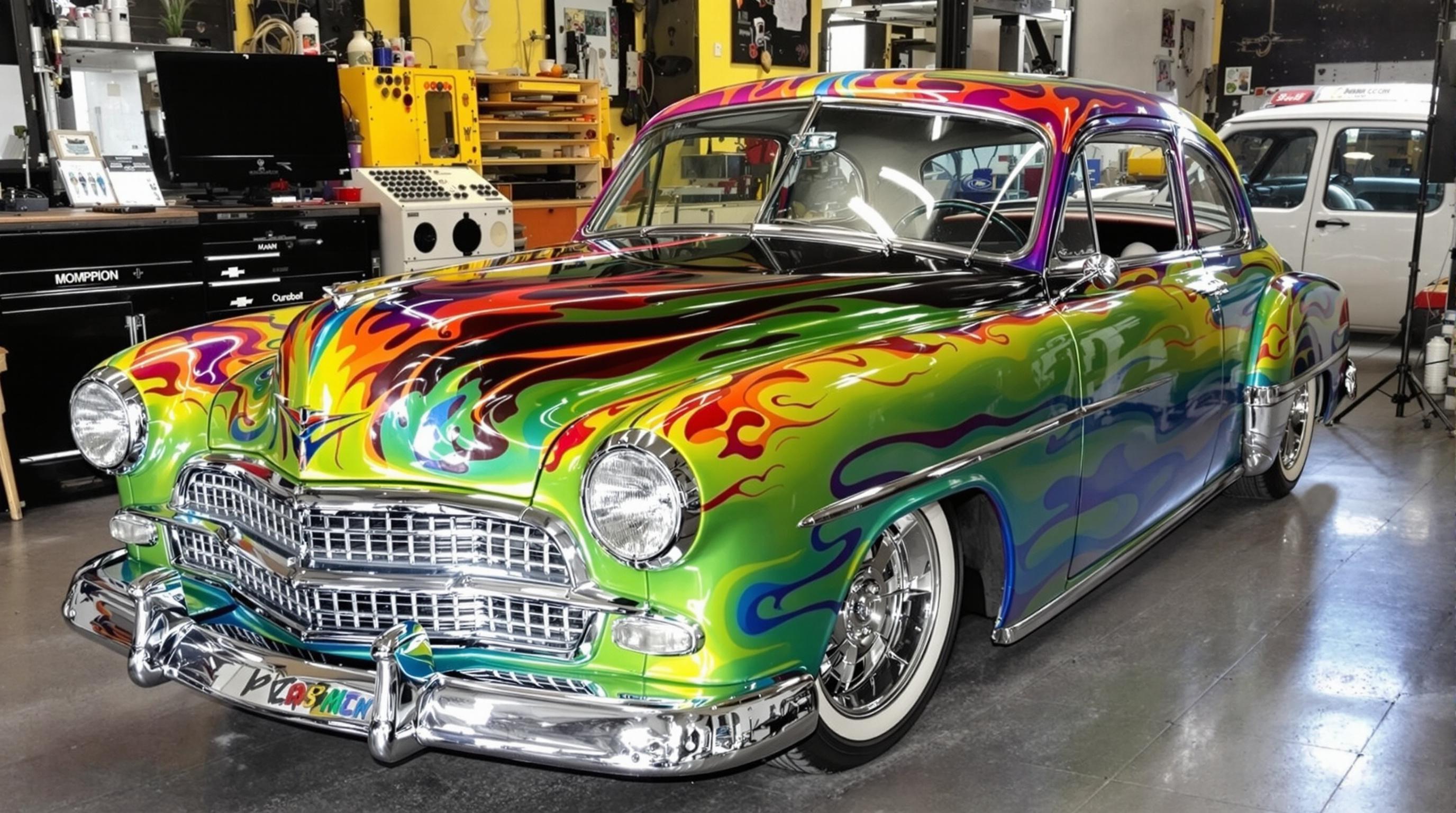
- 12 Secrets of Vintage Car Paints: The Chemistry and Craft Behind Timeless Auto Finishes
- Forgotten Features: Uncovering the Quirky Gadgets of Vintage Cars That Never Took Off
- Reviving Elegance: The Unexpected Rise of Retro Electric Conversions in the Vintage Car Community
- Reviving Rust: The Surprising Renaissance of Vintage Car Restorations in the Age of Sustainability
- Reviving the Classics: How Vintage Cars Are Influencing Modern Electric Vehicle Design
The Forgotten Elegance: How Vintage Cars Inspired Modern Sustainable Design Trends
The Forgotten Elegance: How Vintage Cars Inspired Modern Sustainable Design Trends
The enduring charm of vintage cars offers more than nostalgia; it serves as a timeless inspiration for modern sustainable design trends. By examining the intersection of automotive style and eco-conscious principles, we see how these classic vehicles inform today’s efforts to blend sustainability with elegance.
The Allure of Vintage Cars
Vintage cars possess an allure that is both aesthetic and emotional—think of a 1967 Ford Mustang or a 1939 Cadillac. Far beyond mere transportation, these classic machines evoke memories of joyrides down winding roads, the hum of a carefully crafted engine, and that unmistakable scent of leather upholstery. According to a survey conducted by the Classic Car Club of America, nearly 78% of vintage car owners report feeling a deep emotional connection to their vehicles. This bond with the past catalyzes a movement towards sustainable practices in modern design.
What Make Vintage Cars Timeless?
What exactly makes these cars so timeless? It's more than the shiny metal and meticulous design; it often stems from the stories encapsulated within each vehicle. They are symbols of innovation, evoking a sense of nostalgia and elegance that continues to impact modern design. Designers today are looking back at how these vintage marvels used limited resources but perfectly balanced form and function. This melding of beauty and utility serves as a guiding principle for contemporary sustainable design.
Embracing Sustainability Through Aesthetic Inspiration
A recent study published in the Journal of Sustainable Design revealed that aesthetics significantly influence consumer behavior towards sustainable products. When consumers perceive a product as visually appealing, they’re more likely to choose it, irrespective of its sustainability credentials. Vintage cars inherently embody that attractive aesthetic, offering a case study for how beautiful design can lead to an embrace of sustainability.
The Case of Electric Vehicles
As the automotive industry shifts toward electric vehicles (EVs), many manufacturers look back to vintage designs for inspiration. For instance, the Tesla Roadster channels the spirit of classic sports cars, enhancing appeal while promoting eco-friendliness. Not only does it demonstrate that electric can mean stylish, but it also highlights how vintage silhouettes can lend an air of sophistication to modern transportation.
Reimagining Spaces: Architectural Insights from Vintage Designs
It’s not only cars that draw inspiration from the past; architecture is also undergoing a vintage revival. The concept of "retrofits"—adapting old buildings for modern use—has gained traction among architects, akin to restoring a vintage car. According to the U.S. Green Building Council, retrofitting existing structures can save up to 80% in carbon emissions compared to demolishing and rebuilding. These practices echo the spirits of vintage cars, where resourcefulness meets elegance.
The Minimalist Philosophy
Speaking of elegance, many vintage cars adhered to a minimalist design philosophy, focusing on function while preserving beauty. This aligns perfectly with modern sustainable design trends, where the mantra “less is more” rings true. For instance, the simplicity seen in designs from the 1950s—like the original VW Beetle—sparks inspiration for current minimalist trends in furniture and interior design. In fact, a survey from the Design Council found that over 62% of consumers prefer a minimalist sophistication that speaks to sustainable choices.
Learning from Materials: A Glimpse into the Past
Another lesson architects and designers derive from vintage cars involves the materials used in their construction. In a world now inundated with plastic, vintage automobiles often feature durable metals and hardwood interiors. Ecologists note that by returning to these materials—many of which are sustainably sourced—designers can craft modern goods that are not only beautiful but also less harmful to the environment. For example, the rise of reclaimed wood in furniture design draws directly from this trend, allowing contemporary designs to feel both rustic and sophisticated.
The Humor in Reproduction
While vintage cars are celebrated for their unique aesthetics and history, one cannot overlook the comedic attempt at reproducing these classics. Remember those “classic-style” retro cars from the 1980s with their rickety chassis and faux leather seats? They were like your grandmother trying to join TikTok—endearing, yet utterly out of place! This underscores the delicate line between homage and caricature in design. It reminds us that true sophistication comes from thoughtful re-imagination rather than clumsy imitation.
Case Studies: Modern Brands Inspired by Vintage Aesthetic
Various brands have successfully integrated vintage aesthetics into their sustainable design ethos. Consider the impact of Ecoluxe, a fashion brand that incorporates retro patterns and designs in its collections made from sustainable materials. By embracing styles reminiscent of the 1960s, Ecoluxe nurtures an emotional attachment while prioritizing eco-friendliness. According to their creative director, Jodie Kline, “When people wear our clothes, they’re not just wearing fashion but an experience drawn from an era of timeless elegance.”
The Ripple Effect of Sustainability
Beyond fashion, the influence of vintage automobiles can be seen in the burgeoning movement of upcycled products. Companies are transforming old car parts into trendy home decor—think of a lamp crafted from a gear shift or a coffee table made from an old hood. This revival not only champions creativity but also promotes sustainability by reducing waste. A study by the Upcycled Materials Association found that 87% of consumers believe upcycled products are equally or more valuable than new items.
The Power of Storytelling in Design
At the heart of any great design lies a captivating story. Vintage cars each have tales of their own, from how they were parented through the decades to the adventures they witnessed. Designers today utilize this narrative aspect in their work, allowing consumers to connect emotionally with their products. The intersection of story and design breeds loyalty and encourages more sustainable consumption patterns, as people like to invest in that which resonates with them.
The Future: Blending Old and New
So, what does the future hold? The fusion of vintage inspiration and modern sustainability certainly paints an exciting path forward. With consumers becoming increasingly aware of their purchasing decisions, brands that honor craftsmanship and timeless designs while committing to sustainability are bound to thrive. For instance, the car manufacturer Polestar promises that its new models will contain recycled materials, taking cues from the aesthetic finesse of vintage designs.
A Call to Action
In conclusion, the journey from the roads of yesteryear to today’s design trends is an inspiring testament to the idea that elegance does not have to compromise sustainability. As consumers, let us advocate for designs that are not just beautiful but also kind to our planet. When we appreciate the charm of vintage cars, we’re reminded that while times change, the grace of good design is timeless. Let us drive forward this legacy—not just in our cars, but in our choices in every aspect of our lives.
Embrace the elegance; celebrate sustainability. Let vintage inspire our innovations!
Related Articles