Featured Articles
- 9 Little-Known Technological Breakthroughs That Revolutionized Automotive Safety Standards Over Time
- Forgotten Champions: The Rise and Fall of Electric Cars in the Early 20th Century
- Forgotten Gears: Unearthing the Bizarre Innovations That Shaped Early Automobile Design
- Forgotten Innovations: How 19th Century Steam Cars Inspired Today's Electric Vehicles
- Ghost Cars: The Eerie Legacy of Abandoned Automobiles in America's Automotive History
Forgotten Champions: The Rise and Fall of Electric Cars in the Early 20th Century
Forgotten Champions: The Rise and Fall of Electric Cars in the Early 20th Century
Electric cars, once dubbed the 'forgotten champions' of the early automotive era, saw a meteoric rise in popularity, only to succumb to the dominance of gasoline-powered vehicles. This article explores the fascinating journey of electric cars in the early 20th century—their innovations, societal impacts, and the ultimate fall that left them in the dust, while considering the relevance and lessons for today's eco-conscious consumers.
The Spark of an Idea
In the late 19th century, the dawn of the electric vehicle (EV) was marked by a series of inventions that would set the stage for the automotive revolution. While gasoline engines were being developed, parallel advancements in battery technology were paving the way for electric alternatives. By the turn of the 20th century, electric cars were gaining traction among the urban elite.
The Great Race
Imagine bustling city streets filled with the gentle whir of electric vehicle engines, cars gliding silently past pedestrians. In 1900, about one-third of all automobiles on American roads were electric. This period saw pioneers like Thomas Parker—who converted horse-drawn carriages to electric—and the establishment of companies such as Baker Motor Vehicle Company. These electric vehicles were quiet, easy to operate, and did not emit the foul smells associated with their gasoline counterparts.
Statistics That Illuminate
By 1912, electric cars made up approximately 38% of registered vehicles in the United States. According to a report from the Smithsonian, early adopters who favored electric cars included wealthy individuals, socialites, and even notable figures like Clara Ford, Henry Ford's wife. The batteries of the time allowed for a range of about 30 to 40 miles, making them ideal for short urban trips—something urban dwellers particularly appreciated.
The Downfall: Gasoline Takes the Lead
However, the fortunes of electric vehicles began to decline as rapidly as they had risen. The major turning point came with the mass production of gasoline cars by Henry Ford, which led to decreased costs and an ever-increasing range. By 1920, electric cars had rapidly fallen to less than 1% of total vehicle registrations.
A Case Study: The Detroit Electric Car Company
The Detroit Electric Car Company, founded in 1907, is a prime example of a once-thriving manufacturer that struggled to adapt to the changing market. They produced quality electric vehicles that were lauded for their durability, producing a model known as the “model 47” that could go over 100 miles on a single charge. Yet, despite these achievements, they could not compete with the burgeoning oil industry or the affordability of gasoline-powered vehicles. Production halted in the late 1930s, relegating the company to the annals of automotive history.
Humorous Anecdote
Yet, it's worth noting that even during this decline, humorous stories circulated about the challenges of owning electric vehicles. One anecdote describes how an electric cab driver in New York City had grown so frantic over battery charging locations that he began offering customers free rides in exchange for tips on where to find charging stations! Talk about your ‘tip-jar’ hustle!
Environmental Considerations: A Prophetic Outlook
Fast forward to the 21st century, and the discussions surrounding electric vehicles have reignited in fervor, especially in the context of climate change and fossil fuel depletion. The revival of interest in electric cars today could be viewed as a second chance for the 'forgotten champions' of yesteryear. With improved battery technology and a global push for sustainability, many are now advocating for EV adoption, just as there were advocates a century ago.
The Role of Government and Technology
Government incentives, such as tax breaks and rebates for electric car purchases, are modern-day policies reminiscent of early 1900s road infrastructure improvements to support electric cars. Meanwhile, technological advancements, including better battery life, lower costs, and rapid charging capabilities, have made electric vehicles more appealing than ever. Research by BloombergNEF suggests that by 2040, over 50% of new car sales could be electric.
Lessons Learned from the Past
From the rise and fall of electric cars in the early 20th century, we can draw important lessons about consumer behavior and market adaptation. The failure to evolve with societal needs and preferences ultimately brought about the downfall of the early electric vehicle industry. Today, understanding consumer concerns, such as range anxiety and charging infrastructure, could be critical in ensuring the success of modern electric vehicles.
Rediscovering Electric Cars: A Younger Perspective
Let's switch gears a bit. As an 18-year-old content writer, I can’t help but marvel at how history repeats itself. The early 20th-century electric vehicle dilemma feels like a real-life plot twist straight out of my favorite comic book series: superheroes that rise, fall, and rise again, sometimes in different forms! The younger generation’s advocacy for sustainable alternatives shows promise—and who knows? We might just bring the electric vehicle back into the limelight!
The Electric Comeback
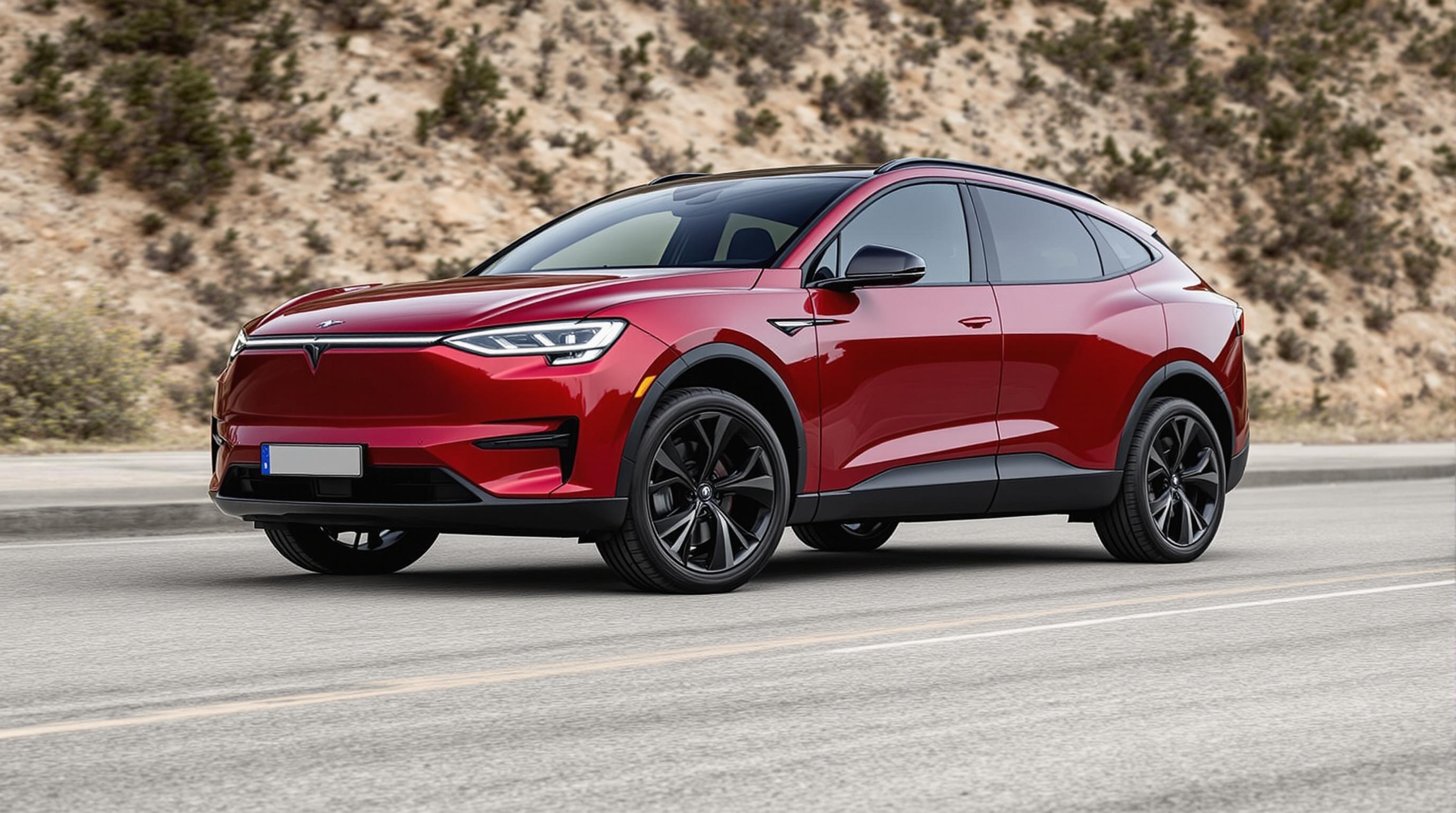
There's a palpable sense of hope as forward-thinking companies like Tesla and Nio become household names, successfully navigating through the electric car landscape. Social media is buzzing with discussions about the latest models, and #EVRevolution has become trending! The cultural perception surrounding electric vehicles has transformed, and they are no longer viewed as the underdog but rather as the future champions of the automotive world.
Conclusion: Embracing a New Era
In conclusion, the story of electric vehicles in the early 20th century is a profound illustration of innovation, societal shifts, and market forces. The forgotten champions of yesteryear may have faded into obscurity, but their legacy is very much alive. Today’s push for sustainable transport presents both a challenge and an opportunity—a chance to evolve and learn from the past. So, the next time you see an electric vehicle on the road, think of it as a returning hero, ready to reclaim its rightful place in automotive history.
As we stand on the brink of this electric revolution, let us not forget the innovators and dreamers who came before us. They may have been forgotten, but their vision continues to illuminate the path ahead.
Related Articles