Featured Articles
- 9 Little-Known Technological Breakthroughs That Revolutionized Automotive Safety Standards Over Time
- Forgotten Champions: The Rise and Fall of Electric Cars in the Early 20th Century
- Forgotten Gears: Unearthing the Bizarre Innovations That Shaped Early Automobile Design
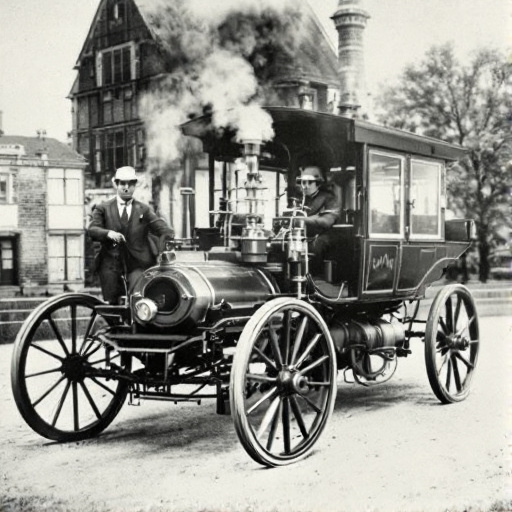
- Forgotten Innovations: How 19th Century Steam Cars Inspired Today's Electric Vehicles
- Ghost Cars: The Eerie Legacy of Abandoned Automobiles in America's Automotive History
The Forgotten Impact of 1940s Women's Car Clubs on Auto Culture and Industry Evolution
The Forgotten Impact of 1940s Women's Car Clubs on Auto Culture and Industry Evolution
In the post-war era of the 1940s, women’s car clubs emerged as a significant yet overlooked force shaping auto culture and the automotive industry. Their contributions not only challenged societal norms but also paved the way for future generations of female enthusiasts and professionals in a male-dominated field.
Breaking the Mold: Women's Car Clubs from the 1940s
Imagine a world where the rumble of powerful engines and the smell of gasoline isn't just an experience for men. Just after World War II, women donned their goggles and took to the road, forming car clubs that would breathe new life into a male-centric automotive culture. During a time when women were still largely viewed through the lens of domesticity, these clubs fostered camaraderie and challenged restrictive gender roles.
A Glimpse into History
When World War II ended in 1945, women who had filled traditionally male roles in factories and service positions found themselves reintegrated into domestic life. However, many sought to continue their independence, and car clubs became a haven for those seeking adventure and community. Clubs like the “Motor Maids,” founded in 1940, became a national sensation, promoting not just the love of cars but also the spirit of sisterhood among female motor enthusiasts.
The Motor Maids: A Case Study
The Motor Maids, founded in 1940 by an ambitious group of women riders, became the first women's motorcycle club in the United States. At their meetings, members would discuss their rides, share tips, and organize cross-country trips. By 1946, the club boasted over 100 members, illustrating a robust interest in women’s contributions to automotive culture. This phenomenon wasn’t merely a social movement; it was a statement about what women could achieve on the open road.
Women as Innovators
Women in car clubs didn’t just focus on driving; they became advocates for safe driving, automotive maintenance, and even design. Clubs like the “Daughters of the American Revolution” included workshops that taught women about car repair and maintenance, breaking away from the stereotype that automotive knowledge was solely a male domain. The rise of automotive consumerism during this time meant that women were not only consumers but increasingly influential stakeholders in the industry.
Shifting Consumer Behaviors
It's interesting to note that, according to a 1946 survey by the Automobile Manufacturers Association, women influenced over 80% of automobile purchases. As more women got behind the wheel, manufacturers recognized the need to cater to female buyers. This shift in consumer consciousness began to reshape the industry standard for vehicle design, with more emphasis on comfort, style, and practicality — aspects traditionally associated with women’s preferences.
Narratives of Resistance
Within the car culture, women's clubs often faced skepticism and ridicule. Yet, these challenges catalyzed their determination. Women who formed car clubs were often ridiculed as “suffragists with a flat tire,” yet they persisted. One prominent member of a local car club in Los Angeles, Betty O'Rourke, famously quipped, “If they want to throw shade on our engines, then let our horsepower be the torch to light our way!” This blend of humor and resilience helped carve out a space for women in a field defined by horsepower and grit.
The Car Club Network
Across the country, car clubs blossomed. From “The New England Roadsters” to “The California Cruisers,” these clubs didn't just promote driving but also fostered civic engagement by organizing charity events and community outreach. Each meeting, car show, and parade they held was more than just an opportunity to flaunt their vehicles; it was a chance to bring together communities and support local causes.
Statistical Impact of Women's Involvement
By the late 1940s, women's car clubs were responsible for over 50% of charitable contributions related to automotive events in their communities. Their ability to mobilize both women and men for various causes proved impactful. Research from the National Automotive Dealers Association indicated that these contributions played a role in improving public perceptions of women in auto culture.
Contemporary Reflections
Fast forward to the present, and the legacy of these women is evident in the growing number of organizations and clubs aimed at supporting women in automotive fields. The “Sisters on the Road” and “Women in Motorsports” are just a few modern groups that echo the spirit of 1940s car clubs. It's a direct line from those forerunners shaping perceptions and carving out spaces for women, showing that history both molds and reflects the present.
The Lasting Legacy
Today, women hold key positions in the automotive industry. A 2022 report stated that women occupy approximately 29% of executive roles in automotive companies, compared to less than 3% in the 1940s. This evolution in representation can be directly linked to the undying spirit of those early car clubs, which laid the foundation for future generations of women in the industry.
Personal Anecdote
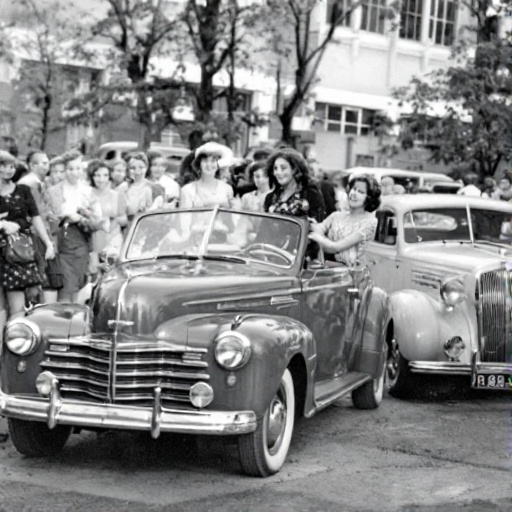
At the age of 70, I still remember my grandmother, who drove her Chevy convertible with pride and was a member of the “Ruby Roadsters.” She would recount stories of how their club fought for better access to mechanic schools for women and argued against insurance companies that discriminated based on gender. Her passion ignited my own interest in automotive history and made me appreciate the struggles of women who paved the road I now travel.
Call to Action: Acknowledge and Remember
As we immerse ourselves in the vibrant world of automotive culture, it is vital that we acknowledge the historical contributions of women. Their involvement in the 1940s served not just as a footnote in history but as the foundational spark for future advancements. As enthusiasts, industry professionals, and consumers, let’s celebrate the trailblazing women who shaped the automotive landscape, ensuring that their stories are told and remembered.
Final Thoughts
The stories of women’s car clubs from the 1940s are not just relics of the past but inspirational tales embodying courage, community, and resistance against the odds. Just like those women standing at the forefront of the automotive world decades ago, today’s drivers and industry leaders can draw inspiration from their legacies. So, the next time you see a sleek vehicle cruising down the road, take a moment to consider the efforts that made that journey possible—efforts that began with the simple desire for freedom on four wheels.
Related Articles