Featured Articles
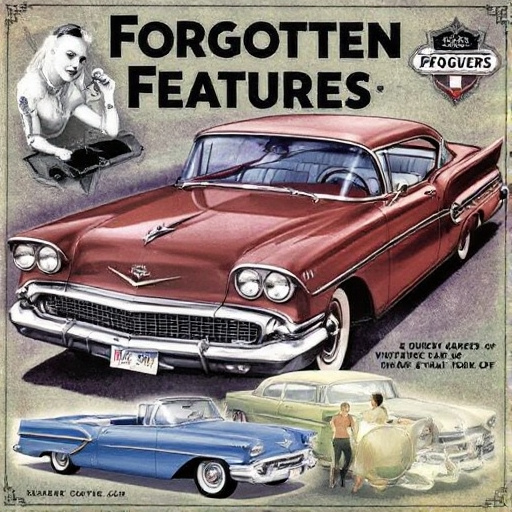
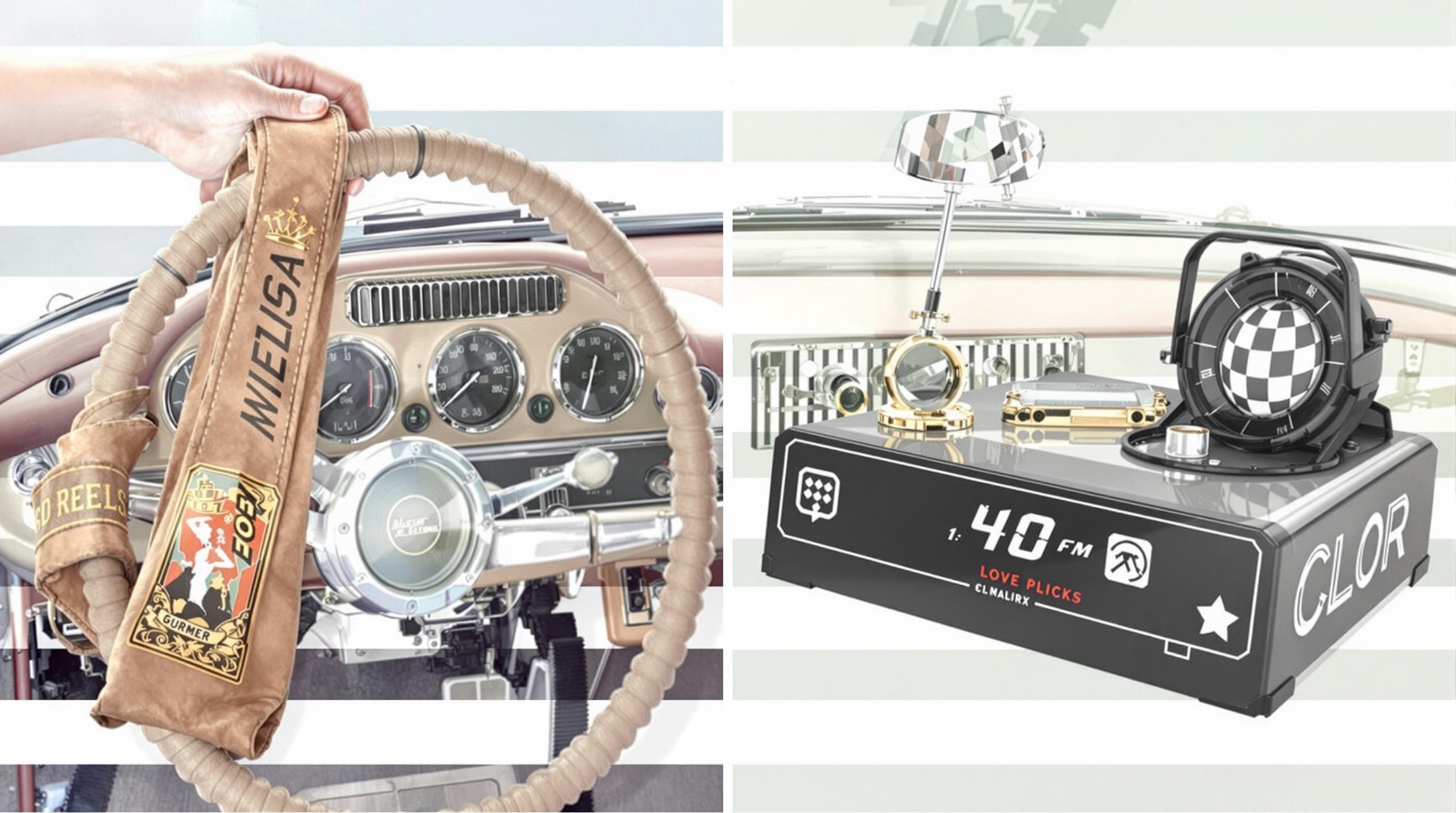
- Forgotten Features: Uncovering the Quirky Gadgets of Vintage Cars That Never Took Off
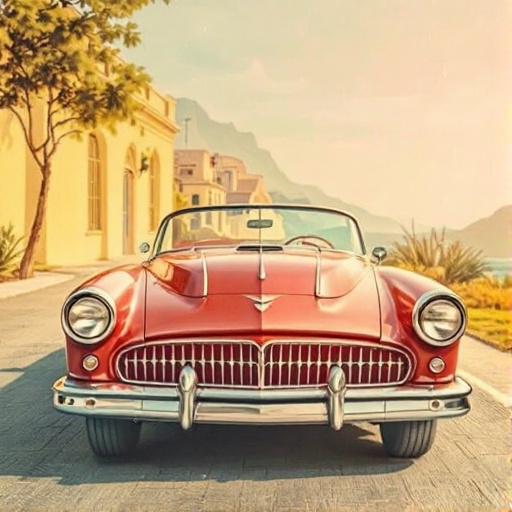
- Reviving Elegance: The Unexpected Rise of Retro Electric Conversions in the Vintage Car Community
- Reviving Rust: The Surprising Renaissance of Vintage Car Restorations in the Age of Sustainability
- Reviving the Classics: How Vintage Cars Are Influencing Modern Electric Vehicle Design
- Reviving the Rust: How Vintage Cars Are Becoming Sustainable Art Installations in Urban Spaces
Reviving Elegance: The Unexpected Rise of Retro Electric Conversions in the Vintage Car Community
Reviving Elegance: The Unexpected Rise of Retro Electric Conversions in the Vintage Car Community
In recent years, vintage car enthusiasts have embraced the revival of elegance through retro electric conversions, merging the charm of classic vehicles with modern sustainable technology. This unexpected trend not only preserves automotive history but also reflects a shift towards environmental consciousness in the car community.
The Shift Towards Electric
Let's rewind the clock for a moment. Picture a foggy morning in the ’60s, a stunning cherry-red Mustang roaring down the street, the engine’s growl echoing like a symphony of freedom. Fast forward to today, and some of those enthusiasts are trading in the familiar growl for a silent yet powerful hum of electric motors. What happened?
The Demographics Driving Change
As an auto enthusiast in my early 30s, I have witnessed firsthand the transformation within the vintage car community. A 2021 study by Deloitte found that 79% of young people aged 16 to 24 are open to the idea of electric vehicles (EVs), showing a marked contrast to the traditionalist views of prior generations who valued muscle and noise over efficiency and sustainability.
The Growing Environmental Awareness
The conversation surrounding climate change has prompted a reevaluation of our priorities. For many, the thrill of owning a classic car must now coexist with an awareness of the carbon footprint associated with it. Here lies the beauty of retro electric conversions: they allow enthusiasts to retain their beloved vehicles while contributing positively to the environment. It’s a win-win!
Why Go Electric? The Benefits of Conversion
Now, let’s get down to brass tacks: why should you consider converting your vintage ride to electric? Here are some compelling reasons:
- Performance; modern electric drivetrains offer immediate torque and more power than many vintage gasoline engines. For instance, converting a ’67 Camaro can boost horsepower to over 500!
- Maintenance; electric vehicles typically require less maintenance as they have fewer moving parts. Say goodbye to changing oil!
- Innovation; electricians and engineers love tinkering with retro vehicles, leading to unique builds that showcase creativity.
- Authenticity; modern electric systems can be designed to fit seamlessly into classic bodywork, maintaining the elegance and aesthetics of the original design.
Stories From The Community
In the small town of Oakwood, retired engineer Jim Robinson decided to convert his father’s classic 1957 Chevy Bel Air into an electric model. “I grew up alongside that car,” he reminisced. “But I didn’t want to be a climate criminal keeping a gas guzzler alive.” With the help of local EV conversion experts, he turned his vintage beauty into a zero-emission masterpiece, sharing his journey through videos and social media, inspiring others in the community.
Case Study: The Porsche 911 as an EV
Notably, a company called Zelectric has been making waves in the vintage car community by converting iconic vehicles like the Porsche 911 into electric versions. A 2018 New York Times article cited that Zelectric’s electric 911s offer “the same unmistakable shape, yet with an invigorating electric punch.” Their builds start around $200,000, but for enthusiasts, the price tag comes with prestige and a commitment to environmental responsibility.
Addressing the Critics
Of course, not everyone is on board with this trend. Critics argue that no electric conversion could possibly preserve the authenticity of a vintage vehicle. However, these assertions often fail to realize the range of customization available. Think of it as restoring a classic painting—it’s still the original art piece, just reimagined by a contemporary artist!
Economics of Retro Conversions
Translating this trend into economic terms reveals another fascinating angle. According to a report by McKinsey & Company, the global electric vehicle market is expected to reach $1.9 trillion by 2030. With vintage electric conversions increasingly joining this market, enthusiasts might be sitting on a gold mine of investment potential. If you’re hesitant about money, consider it a long-term investment in both nostalgia and environmental responsibility.
Engaging the Younger Generation
Generational divides aside, electric conversions open doors to a younger audience. Through social media hashtags like #ElectricClassic, teenagers and millennial car lovers are documenting their own journeys of transforming family heirlooms into including their original engines. It’s an unexpected spark of interest that’s educative and exciting, not just building cars but also building bridges across different eras of car culture.
The Role of Restoration Companies
Vintage car restoration companies have caught on to this trend. Many are now offering retrofitting as part of their services, showcasing their commitment to sustainability. For example, a company named Electric Classic Cars based in the UK specializes in just that. Their custom builds can cost anywhere from $30,000 to over $100,000, depending on the model and specifications. Yet, this price tag redefines value—transforming a classic car into a modern marvel.
The Future of Retro Electric Conversions
As we glance toward the horizon, what does the future hold? The continued rise of retro electric conversions promises not only to redefine what it means to be an enthusiast but also how we collectively approach the concept of “classic” in the automotive world. Already, manufacturers like Ford have announced electric versions of their classic models, like the Mustang, catering to this new wave of eco-conscious drivers.
A Royal Affair: The Classic Car Shows
Imagine strolling through a classic car show, the scent of polished chrome in the air, only to discover an electric vintage convertible that turns heads. Events such as the Pebble Beach Concours d'Elegance are now seeing electric conversions showcase alongside traditional gas-powered classics, indicating a shift in acceptance within the community. According to the events’ organizers, they reported a 25% increase in registrations by vehicles with electric drivetrains last year!
Conclusion: Bridging the Past and Future
Reviving elegance through retro electric conversions may seem like an odd coupling, but it serves to bridge the beloved past with a promising and sustainable future. As the world grapples with significant changes in technology and the environment, the fusion of classic aesthetics with electric prowess may not only enhance your driving experience but also your contribution to a better planet.
A joyous laugh comes to mind when I consider that my 70-year-old Uncle Gary, who once scoffed at electric vehicles, may one day rock an electric 1959 Cadillac Eldorado down Main Street! The vehicle community, after all, finds its beauty in what we carry forward, never forgetting the past as we build toward the future.
Whether you’re a seasoned aficionado or a curious newcomer, the retro electric conversion trend invites everyone to partake in the evolution of our automotive loves. So, what’s stopping you? Embrace the future while honoring the past—your vintage pride deserves it!
Related Articles