Featured Articles
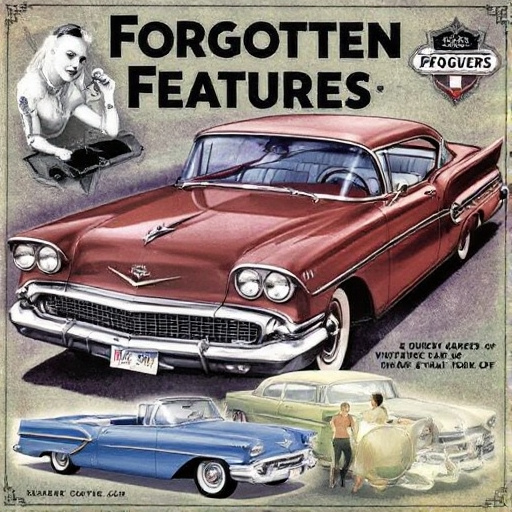
- Forgotten Features: Uncovering the Quirky Gadgets of Vintage Cars That Never Took Off
- Reviving Elegance: The Unexpected Rise of Retro Electric Conversions in the Vintage Car Community
- Reviving Rust: The Surprising Renaissance of Vintage Car Restorations in the Age of Sustainability
- Reviving the Classics: How Vintage Cars Are Influencing Modern Electric Vehicle Design
- Reviving the Rust: How Vintage Cars Are Becoming Sustainable Art Installations in Urban Spaces
Reviving the Classics: How Vintage Cars Are Influencing Modern Electric Vehicle Design
Reviving the Classics: How Vintage Cars Are Influencing Modern Electric Vehicle Design
Vintage cars are not merely relics of the past but are shaping the aesthetic and engineering choices of modern electric vehicles (EVs). This article explores how classic automotive designs are influencing contemporary EV creations, blending nostalgia with innovation.
Collective Nostalgia: Why We Love Vintage Cars
There’s a palpable sense of joy when one sees a vintage car cruising down the road. From the curvy fenders of a ’57 Chevy to the iconic lines of a Jaguar E-Type, these classics evoke feelings of nostalgia and admiration. According to a survey by the Classic Car Club of America, approximately 50 million Americans have owned a classic car at some point in their lives. This wave of nostalgia has fueled the revival of many vintage elements in modern vehicle design.
Take a Ride in Time
Imagine walking into a vintage car show, surrounded by the intoxicating scent of polished chrome and leather. It’s an immersive experience, one that evokes memories and emotions forgotten in the rush of modern life. Exhaustive research shows that cars from the 1960s and 70s are more than just machines; they represent a time when manufacturing had a soul, and craftsmanship was paramount. For example, the Ford Mustang, launched in 1964, has inspired countless designs in today's muscle EVs like the Ford Mustang Mach-E.
A Case Study: Volkswagen's ID. Buzz
Take the Volkswagen ID. Buzz, for instance. This sleek electric homage to the classic VW Microbus captures the spirit of the original while integrating state-of-the-art technology. With its retro design featuring rounded edges and vibrant colors, the ID. Buzz appeals to the nostalgia of those who remember the freedom and camaraderie associated with the original “bus.” Analysts predict that nostalgic design features can increase emotional attachment and desirability for electric vehicles, potentially aiding sales significantly (Source: McKinsey & Company).
Electricity Meets Artistry
When we think of automotive design, the conversation is often focused on efficiency, aerodynamics, and technology. However, vintage vehicles remind us that design can also be about artistry. Designers like Ian Callum, who shaped modern-day Jaguars, have consistently drawn inspiration from classic lines, emphasizing elegance in contemporary models. In the rush to innovate, it's crucial for automakers to remember that beauty can not only turn heads but can also drive sales.
Bridging the Gap: Form Meets Function
Modern electric vehicle design faces a dual challenge: meeting environmental standards while creating vehicles that capture the consumer's imagination. By looking back at classics, automotive engineers and designers can bridge this gap. Electric vehicles are often viewed as utilitarian, but the incorporation of vintage aesthetics can make EVs more appealing. Tesla's Cybertruck, for instance, veers into unique territory, yet many drivers yearn for the elegant lines and curves from the past.
Mechanics of Nostalgia: What Works
One might wonder, how does nostalgia translate into engineering? The answer lies in materials, shapes, and functionality reminiscent of classic cars. Manufacturers are experimenting with soft-touch materials and classic-inspired dashboards, prioritizing tactile experiences. Take a ride in an electric Mustang-inspired car, and you'll find yourself surrounded by an interior that whispers 'classic cool' while buzzing with modern comfort.
Statistics and Trends
According to the International Energy Agency, the market for electric vehicles is expected to grow to over 145 million vehicles globally by 2030. This surge opens avenues for automotive manufacturers to explore designs that resonate with consumers' emotional connections to vintage cars. An overwhelming 65% of potential car buyers aged 16 to 30 expressed a preference for vehicles that combine ‘retro aesthetics’ with advanced technology in a study by Deloitte (2023).
The Power of Personalization
Another exciting trend lies in the customization of electric vehicles, often taking cues from vintage modifications prevalent in classic cars. Many enthusiasts love to personalize their vintage rides, whether through unique paint jobs or restored interiors, and now the EV market is catching on. Various emerging brands allow consumers to tailor their electric cars' aesthetics, adding aspects like retro wheel designs and custom paint jobs to capture that vintage vibe while riding cleaner than ever.
Stories from the Road: Enthusiast Perspectives
You might be thinking, “Are these merely marketing gimmicks?” Perhaps, but for many enthusiasts, the connection to classic designs runs deep. Take, for instance, John, a 45-year-old vintage car collector who recently purchased a Tesla Model 3. John says, “When I first saw the design, I appreciated how they nailed that classic Italian sports car feel while incorporating cutting-edge technology. It’s like the best of both worlds, and I feel like I’m driving a piece of art.”
Brand Legacy: The Role of Iconic Markers
The influence of vintage designs on modern electric vehicles reaches beyond aesthetics; it builds brand legacy. Legendary brands such as Aston Martin and Porsche have ventured into the EV landscape, bringing their historical significance along. The Porsche Taycan, for instance, reflects sleek, vintage curves while ensuring superior performance, staying true to the heritage and pedigree of its predecessors.
The Road Ahead: Future Design Trends
As we hurtle toward a more electrified future, one can only speculate how vintage designs will continue to influence car manufacturing. The resurgence of classic car shows and communities underscores the enduring appeal of those remarkable machines. With the EV market growing, one might anticipate a blending of past and future designs, leading to vehicles that honor tradition while paving the way for innovative technologies.
A Humorous Note: The Electric Knight
If you think about it, electric vehicles have become the “Knights in Shining Armor” of the automotive world. They’ve arrived to rescue us from the menacing dragon of pollution while touting a chic, eco-friendly façade. But who would’ve thought that the knights would also be dressed like they just came from a vintage car show? Talk about a plot twist!
In Conclusion: A Timeless Influential Force
In conclusion, vintage cars are more than mere nostalgia; they are a guide for modern electric vehicle design. Their elegance, artistry, and the emotional connections they foster are vital for EV manufacturers aiming to entice today’s consumers. By marrying vintage aesthetics with innovative engineering, the automotive industry is not just reinventing cars but also reviving a beloved culture. Considering the trajectory of automotive design and consumer preferences, we are indeed witnessing the renaissance of classic influence in the EV market.
Related Articles