Featured Articles
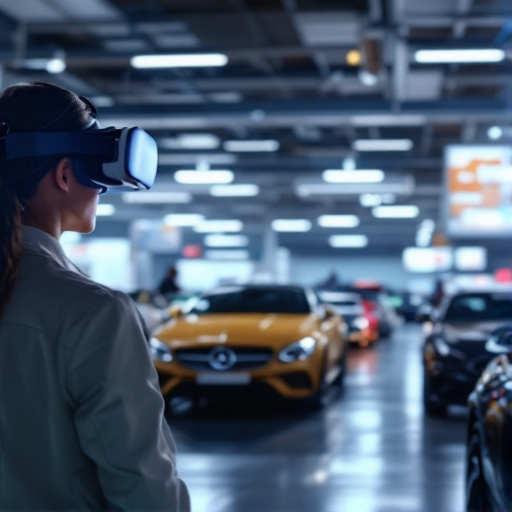
- Electric Dreams: How Holographic Displays Are Revolutionizing the Future of Automobile Cockpits
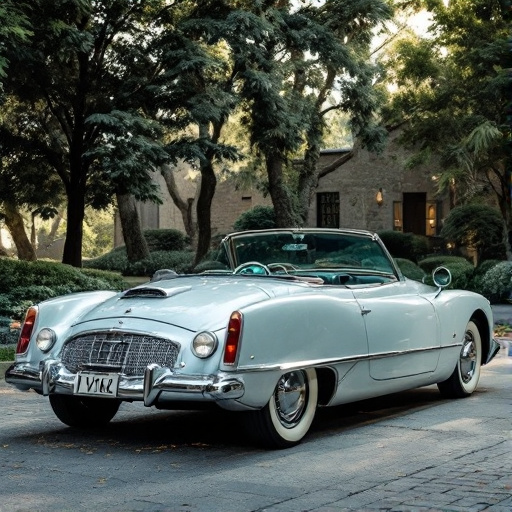
- Electric Dreams: The Unexpected Rise of Vintage Electric Cars in Today’s Eco-Conscious Market
- "From Road Rage to Digital Rage: How Auto Tech is Changing Our Emotional Connection to Driving"
- "Silent Streets: The Rise of Electric Vehicles and Their Unintended Effects on Urban Wildlife"
- The Rise of AI-Driven Car Culture: How Algorithms are Shaping Our Driving Preferences and Choices
Electric Dreams: How Holographic Displays Are Revolutionizing the Future of Automobile Cockpits
Electric Dreams: How Holographic Displays Are Revolutionizing the Future of Automobile Cockpits
Electric Dreams delve into the transformative power of holographic displays in automobile cockpits, promising to redefine our driving experiences. By blending technology, safety, and functionality, these innovations pave the way for a smarter, more intuitive future on the road.
Understanding Holographic Displays
So, what exactly is a holographic display? In simple terms, it’s a three-dimensional display that can present images and information without the need for traditional screens or glass. Think of it as a projection of data and visuals into space, allowing drivers to interact with their vehicles in a way that's both innovative and engaging.
These displays can project vital information such as speed, navigation, and alerts directly in the driver’s line of sight, minimizing the need to glance away from the road. For instance, a report from the Research Institute of Automotive Technology noted that 78% of drivers believe that displays providing essential information in their direct view will enhance road safety (RIA Tech, 2022).
Revolutionizing User Experience
One cannot underestimate the role of user experience in modern automobiles. With the rise of electric vehicles (EVs) and advanced driver-assistance systems (ADAS), consumers expect more from their car interiors. Holographic displays offer an immersive experience that many drivers find appealing.
Imagine stepping into a car and being greeted by a holographic welcome message. As soon as you enter, the car recognizes you, adjusts the seat to your preferences, and presents a 3D map overlay on the dashboard for your journey ahead. This isn’t science fiction; manufacturers like BMW and Audi are already testing these concepts. BMW’s iX model has integrated augmented reality navigation that projects turn-by-turn directions directly onto the windshield, guiding drivers almost intuitively.
Safety First: A Step Towards Accident Reduction
Statistics suggest that distraction is a leading cause of car accidents. According to the National Highway Traffic Safety Administration (NHTSA), distracted driving was implicated in 9% of fatal crashes in 2021. Holographic displays can combat this growing concern by reducing distractions and increasing focus on the driving experience. For instance, by keeping crucial information directly in the driver’s field of view, it decreases the need to shift one's gaze away from the road.
On a personal note, I remember an incident during a simple drive home when I glanced down to check my GPS. In those few seconds, I narrowly avoided a collision. It's experiences like these that fuel the demand for solutions that enhance safety. Holographic displays may very well be a significant part of that solution, keeping drivers informed while preserving their attention on the road.
The Business Perspective: Why Automakers Are Investing
For automakers, investing in holographic technology isn't just about enhancing safety—it's also about marketability. With projections estimating that the global automotive holographic display market could reach $6.6 billion by 2028 (Market Research Future, 2023), car manufacturers are racing to integrate these futuristic displays into their vehicles.
Brands like Mercedes-Benz are leading the charge by incorporating these displays into their higher-end models, creating a buzz that often trickles down to the more affordable vehicles in their lineup. It’s worth noting that consumer perception is often swayed by innovative aesthetics. In fact, surveys reveal that 66% of potential car buyers are influenced by advanced technology features when choosing a vehicle (Automotive News, 2023).
Holographic Displays vs. Traditional Screens
What’s the difference between a holographic display and a conventional one? It’s impressive how much a shift in technology can reframe a user’s experience. Traditional screens often require interaction that can lead to distractions, whereas holographic displays aim to streamline that process. For example, scientists at MIT have proposed systems which allow users to manipulate 3D holograms with natural gestures, creating an immersive experience devoid of interruptions.
Imagine aiming your hand at a holographic icon to adjust your radio, instead of hunting for a button or dial. This spatial interaction could significantly minimize distractions, ultimately leading to smarter cars and safer roads.
The Appeal of Customization
Customization is a huge market trend today, and holographic displays lend themselves wonderfully to this. Modern consumers crave personalization, and what better way to provide that than by allowing drivers to create their own holographic dashboard? Whether it’s racing stats for the enthusiast or energy consumption for the eco-minded, features can be tailored as per preferences, making every drive unique.
Some futuristic concepts even include changing the color or design of holographic displays based on a driver’s mood. Grabbing tacos after work? Pop in a fun, vibrant interface while the display streams your favorite Spotify playlist. It's a matter of using technology to make our very personal experiences that much more enjoyable.
Barriers to Implementation
While all these advancements sound promising, one must also consider the challenges. The implementation of holographic displays in automobiles comes with a few hurdles. First, cost remains a significant barrier. Currently, incorporating holographic technology into vehicles can increase production costs, which could lead to higher prices for consumers. Market studies show that consumers are often hesitant to pay premiums unless they can see immediate value (Automotive Market Insights, 2023).
Furthermore, there's the question of standardization across the industry. As manufacturers like Ford, Nissan, and Tesla develop their interpretations of holographic technology, inconsistency can confuse consumers, leading to skepticism towards the overall benefits of the new systems.
The Road Ahead: A Vision for the Future
Peering into the crystal ball, what does the future hold for holographic displays and automobile cockpits? One exciting possibility is the integration of artificial intelligence (AI) with holographic technology, allowing vehicles to learn from and adapt to their drivers over time. Imagine a car that can anticipate your route based on your driving history, projecting relevant information about traffic patterns or points of interest as you drive.
This brings us back to the importance of connectivity. As technology continues to intertwine, the integration of internet-of-things (IoT) into our vehicles could elevate this emerging market even further. At that point, a car would not merely be a means of transport; it could evolve into a personal assistant, advisor, and co-pilot all rolled into one.
A Humorous Perspective
Let’s be real for a second: who wouldn’t want a holographic display in their car? Picture this—your driving companion projecting your favorite TV show right onto the dashboard during traffic jams, making those grueling commutes a tad more bearable. Sure, it may not be the safest option, but hey, technology can be a balancing act between utility and fun, right?
Speaking of fun, can you imagine a holographic assistant that could roast you for not making timely oil changes? “Really? You forgot again, Steve? I can’t believe you’re letting this happen!” I bet it would keep you on your toes like never before!
The Consumer Voice: Perspectives and Case Studies
When considering holographic displays, hearing consumer experiences can provide valuable insights. A case study published by the Journal of Vehicle Technology highlights how early adopters of vehicles with holographic displays reported a marked improvement in their overall driving experience. One user noted, “Not only do I feel safer, but it’s also more fun! I can change the colors and layout, and it feels unique to my style.”
The sentiments of these early adopters make it clear that the novelty factor plays a role in their enthusiasm. It’s exciting to have a part of the sci-fi landscape become a reality, but this excitement must be balanced with real value and functionality. Ultimately, the continued evolution of this technology will depend on consistent user feedback and iterative improvements.
Final Formula: Feasibility, Fun, and Future
As a writer in his twenties, my gaze is firmly set on the landscape of automotive innovation ahead. If the integration of holographic displays means smoother drives, increased safety, and a dash of fun, then I’m all in. The road may be long, but it’s also paved with exciting opportunities. If change is the bedrock of progress, then I cannot wait to buckle up and enjoy the ride!
In conclusion, holographic displays are poised to revolutionize automobile cockpits by marrying technology with safety and personalization. While challenges lie ahead, the possibilities remain endless, creating an electric dream that generations of car enthusiasts and everyday drivers alike can cherish. Fasten your seatbelts; the future of driving is arriving, and it looks like it’s going to be one wild ride.
Related Articles