Featured Articles
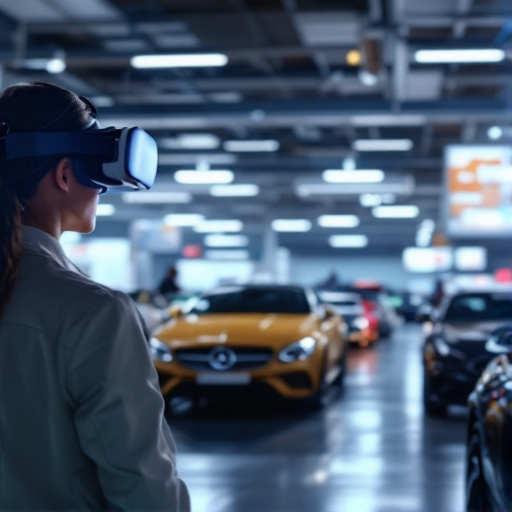
- Electric Dreams: How Holographic Displays Are Revolutionizing the Future of Automobile Cockpits
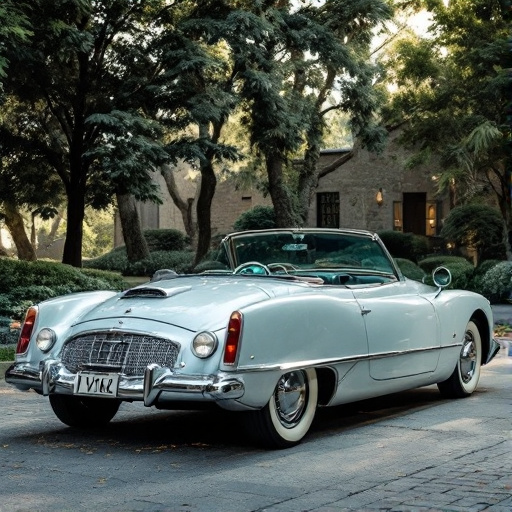
- Electric Dreams: The Unexpected Rise of Vintage Electric Cars in Today’s Eco-Conscious Market
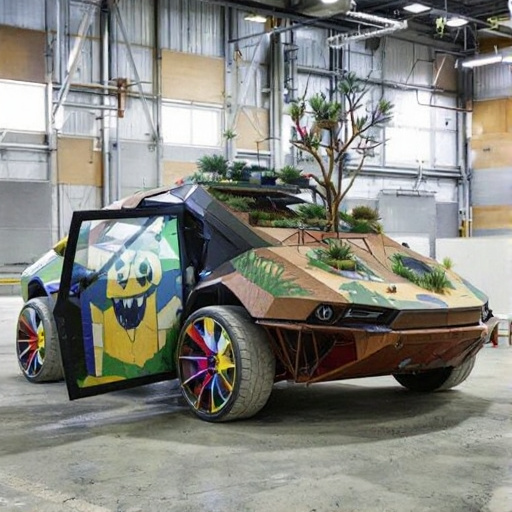
- "From Road Rage to Digital Rage: How Auto Tech is Changing Our Emotional Connection to Driving"
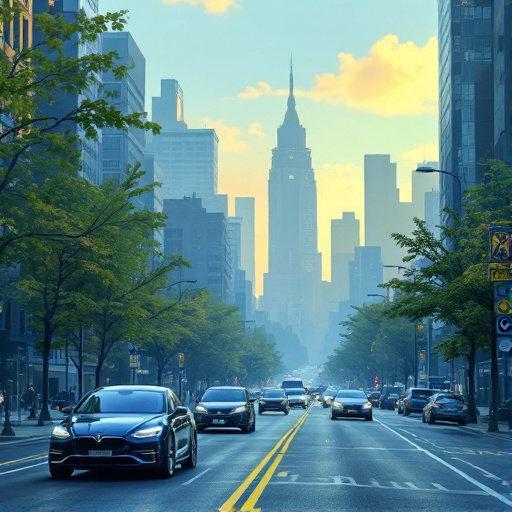
- "Silent Streets: The Rise of Electric Vehicles and Their Unintended Effects on Urban Wildlife"
- The Rise of AI-Driven Car Culture: How Algorithms are Shaping Our Driving Preferences and Choices
The Rise of AI-Driven Car Culture: How Algorithms are Shaping Our Driving Preferences and Choices
The Rise of AI-Driven Car Culture: How Algorithms are Shaping Our Driving Preferences and Choices
The convergence of artificial intelligence (AI) and automotive technology is reshaping our driving experiences and preferences in profound ways. From smart navigation systems to personalized in-car entertainment, algorithms are increasingly influencing how we choose to drive, what we drive, and why we drive.
The AI Evolution in Automotive Technology
The automotive industry has undergone a massive transformation over the past decade, leaving no stone unturned in the quest for efficiency and innovation. As of 2023, the global AI in the automotive market was expected to reach USD 27 billion, growing at a CAGR of around 18% from 2021 to 2028 (source: Fortune Business Insights). This explosion of technological advancement is set to influence what future car culture looks like, and it’s not just about self-driving vehicles.
Intelligent Algorithms: The New Car Companion
Picture this: you’re driving through a bustling city, and your car’s AI system recommends a scenic route, based on real-time traffic data and your previous driving habits. This is not the future—it’s today’s reality.
One inspiring case study comes from the software company Waze, which utilizes crowdsourced data to provide real-time navigation and traffic updates. Imagine driving with a co-pilot who knows the quickest shortcuts and alerts you about road hazards; that’s the magic of AI in our everyday driving experiences.
The Age of Personalization
Algorithms are making cars more personal than ever. For instance, AI systems analyze your music preferences, climate control settings, even your average speed. A car can remember your favorite playlist or adjust the AC just how you like it—even before you step inside! Want to hear a Taylor Swift ballad as you pull out of your driveway? Your car's AI got you covered.
According to a report from McKinsey, 70% of consumers expressed interest in personalized services offered by their vehicles. In the age of "I want it my way," car manufacturers are scrambling to implement this level of customization. Tesla’s “Personalized Navigation” feature is a standout example, as it learns from your commuting patterns to provide tailored route suggestions.
Data-Driven Purchasing Decisions
We’ve all faced that indecisive moment when choosing a car. However, AI is stepping in to skew our decision-making process. AI algorithms are increasingly being employed in markets to analyze social media trends, customer reviews, pricing, and more to guide prospective buyers toward their ideal vehicles.
For instance, platforms like CarGurus use machine learning to assess market data and help shoppers make informed choices, steering them toward fair prices and sound investments. In a world where information is abundant but trust is scarce, AI serves as a beacon of clarity.
Millennials and Gen Z: The New Driving Demographics
The rise of AI-driven car culture is not just about technology; it’s also about shifting demographics and values. As a 24-year-old writer with strong ties to both the Millennial and Gen Z communities, I’ve witnessed firsthand how these groups are reshaping the standard of car ownership.
For many young individuals, the focus has shifted from ownership to access. Companies like Zipcar and Turo have erupted in popularity, largely driven by AI-powered apps that facilitate seamless car sharing. This shift is not merely a trend but rather indicative of a broader societal transformation towards sustainability and smart living.
The Safety Factor: AI as Our Guardian
We all want to feel safe on the road, and in a world increasingly filled with distractions, AI can act as our digital guardian. Advanced driver-assistance systems (ADAS) equipped with AI are progressively becoming a standard feature in new vehicles, promising to mitigate accidents due to human error. They can now monitor blind spots, detect pedestrians, and even autonomously engage brakes in emergency situations. According to the National Highway Traffic Safety Administration (NHTSA), these systems could potentially reduce the number of road fatalities by up to 30%.
For instance, Volvo has pioneered initiatives like “Vision Zero,” an ambitious campaign aimed at eliminating traffic fatalities. Their emphasis on integrating AI to enhance vehicle safety features exemplifies how car manufacturers are prioritizing not just performance, but human lives.
Rethinking Transportation: Smart Cities and AI
But why stop at individual cars? As urban areas become increasingly congested, the integration of AI in public transport systems is becoming essential. Smart traffic signals, AI-driven ride-sharing options, and even autonomous buses are poised to combat urban congestion and improve environmental outcomes. This is reminiscent of the vision shared by tech-savvy city planners who advocate for sustainable smart cities.
Imagine walking through a city where vehicles communicate with traffic lights and each other, effectively reducing traffic jams and emissions. In some cities in Europe, pilot programs for autonomous vehicles have shown promising results. The potential for AI to reshuffle city landscapes and enhance mobility is an avenue that beckons further exploration.
Consumer Behavior: Embracing the Smart Tech
The driving decisions of consumers today reflect a tremendous shift towards tech-savvy choices. The rise of AI also means increasingly sophisticated marketing strategies aimed at targeting consumers based on their preferences and behaviors. A 2022 study by Gartner found that 63% of consumers prefer brands that can personalize their experiences using AI data.
This has led to brands ramping up their digital marketing efforts; they tailor advertisements based on consumer preferences gleaned from social media activity and previous purchasing decisions. Imagine scrolling through your favorite social media app and being greeted by an ad featuring the exact model of car you were browsing just minutes before. It’s precisely targeted, pillow-soft marketing at its best.
Fun Fact: The Meme Car Culture
Now, let’s sprinkle in some humor. Ever scrolled through social media and saw those memes about how you feel when you're forced to take your parent’s old sedan to a party? AI has amplified this meme culture, as algorithm-driven platforms curate the funniest driving images and videos tailored just for you. In a sense, the car you choose can now not only define your driving style but also your social media presence!
The rise of the meme car has become a vital cultural artifact, often leading Millennials and Gen Z to appreciate cars that may seem “uncool” at first glance. Who knew the clunky old hatchback could go viral just because of a clever meme? AI didn’t just market it; it made it a part of our cultural dialogue.
Future Trends: The Road Ahead
As we look forward, the future promises even more challenges and opportunities. With AI accelerating trends like electric vehicles and shared mobility, car culture is evolving at breakneck speed. Not to mention, regulations and ethical considerations surrounding data privacy are increasingly becoming focal points for consumers and manufacturers alike.
As generations embrace this innovation, they must also grapple with the ethical implications of AI. There are concerns about data privacy, algorithmic bias, and dependency on technology that must not go unnoticed. As noted by Karen Sandler, the executive director of the Software Freedom Conservancy, “As our machines get smarter, we must ensure that they serve humanity and do not make us less humane.”
Conclusion: Our Journey with AI
The rise of AI-driven car culture reflects an intersection of technology and lifestyle that will resonate for years to come. From personalized driving experiences to intelligent buying decisions, AI is not merely an addition to our vehicles but now a vital part of our daily lives and preferences. Navigating the complexities of this emerging landscape will require conscious choices that reflect our values, creativity, and concerns about the future, all while we embrace the thrilling ride ahead.
As we buckle in for the future of driving, it's plain to see that the algorithms steering our journey are more than just a series of calculations—they are redefining who we are as drivers, consumers, and ultimately, as a society.
Related Articles