Featured Articles
- Electric Dreams: How Holographic Displays Are Revolutionizing the Future of Automobile Cockpits
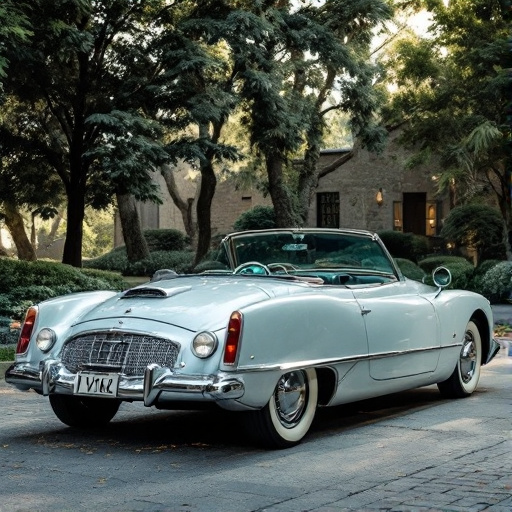
- Electric Dreams: The Unexpected Rise of Vintage Electric Cars in Today’s Eco-Conscious Market
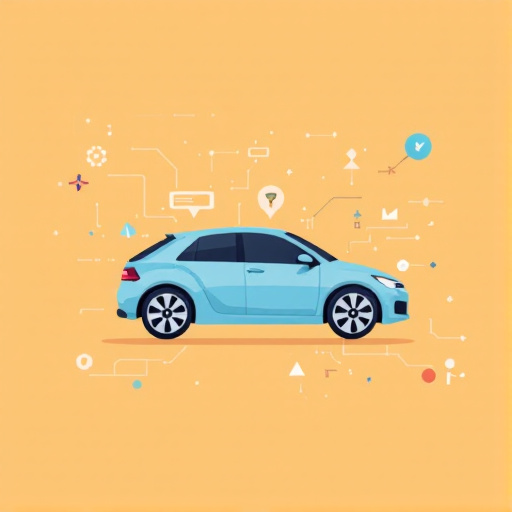
- "From Road Rage to Digital Rage: How Auto Tech is Changing Our Emotional Connection to Driving"
- "Silent Streets: The Rise of Electric Vehicles and Their Unintended Effects on Urban Wildlife"
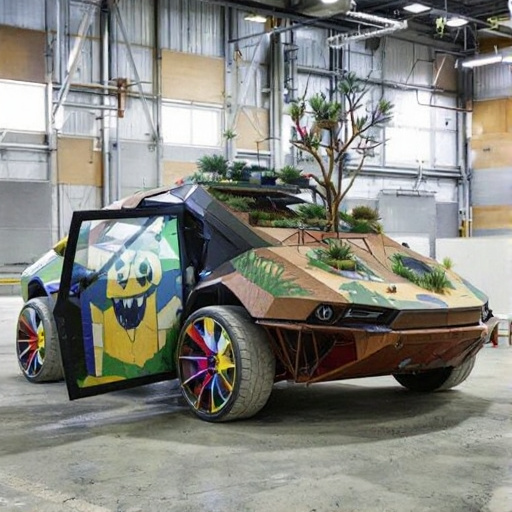
- The Rise of AI-Driven Car Culture: How Algorithms are Shaping Our Driving Preferences and Choices
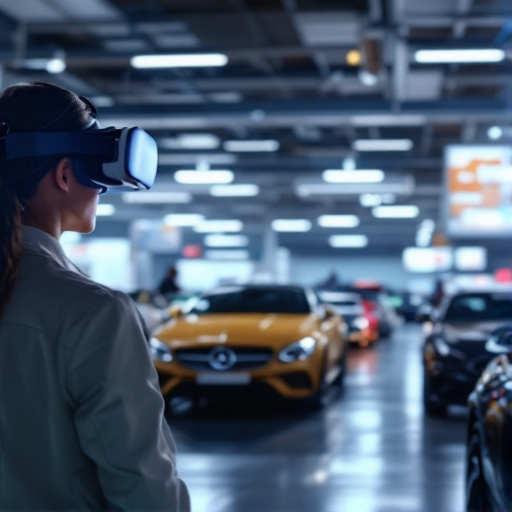
The Rise of Extended Reality: How Virtual Reality is Redefining Car Shopping Experiences
The Rise of Extended Reality: How Virtual Reality is Redefining Car Shopping Experiences
The emergence of Extended Reality (XR) is transforming traditional car shopping into a dynamic, immersive experience. Through the integration of technologies like Virtual Reality (VR) and Augmented Reality (AR), customers can now explore vehicles in ways previously thought impossible.
The Evolution of Car Shopping
In the not-so-distant past, the car shopping journey began with a series of mundane tasks: checking online listings, visiting dealerships, and engaging in negotiations that felt like a high-stakes game of poker. Fast forward to today, and the landscape has dramatically changed. A study by Deloitte found that 57% of consumers would consider using AR or VR in their car shopping experience. This is no mere trend; it signals a fundamental shift in how we buy cars.
The Playful Side of XR
Imagine stepping into a virtual dealership where the cars don’t just sit idly in a showroom; they leap off the screen and into your living room. That’s right! Companies like Volkswagen and BMW have started to leverage VR technology to engage consumers. Want to feel how a 2023 Jetta handles on a country road? Strap on your VR headset, and you can take it for a spin without leaving your couch!
The Stats Speak for Themselves
Statistics indicate that immersive technology can significantly enhance customer satisfaction. According to a survey conducted by PwC, 79% of consumers indicated they would be more inclined to buy a vehicle if they could interact with it through VR or AR before making a purchase decision. So not only does VR make car shopping more enjoyable, it also provides companies with a valuable edge in a competitive market.
Case Studies: Pioneers of XR in the Auto Industry
Let’s take a closer look at companies that are breaking ground with this technology. For instance, Audi launched the “Audi City” concept, allowing consumers to experience vehicle options in full-scale virtual showrooms. Customers can customize vehicles in real time and visualize them in different colors and configurations. This innovative approach has reportedly reduced the time spent in negotiation by about 20%, which is a substantial gain considering the stress that can accompany buying a car.
The Science of Selling
But it’s not just about aesthetics; it's about how consumers interact with products. Research indicates that engaging customers in an immersive experience can significantly enhance their emotional connection to a product. When buyers can virtually touch, feel, and manipulate the car features, they are likely to form a stronger affinity for that vehicle. This deeper emotional engagement often leads to quicker purchasing decisions.
Virtual Playrooms: A New Kind of Test Drive
Here’s a golden nugget: have you ever thought about how many miles a typical test drive contributes to your decision? According to a study by Edmunds, the average person takes only 1.3 test drives before making a purchase. With VR, retailers seek to change this paradigm. Picture this: Instead of feeling slightly awkward asking for a test drive, potential buyers can explore dozens of models from the comfort of their home. They can virtually drive their dream car on iconic roads—from the Pacific Coast Highway to the Autobahn.
The Human Touch in a Digital World
Some skeptics argue that virtual experiences cannot fully replace the human interaction integral to car shopping. After all, that friendly dealership representative often helps ease the tension that comes with a hefty purchase. But what XR offers is not an elimination of the human element; it’s an enhancement. According to market researchers, customers appreciate having the flexibility to interact with technology while still being able to consult salespeople as needed, thus forming a dual-layered experience that is both personal and high-tech.
Adoption Rates Among Different Age Groups
It’s worth noting that consumer acceptance of VR varies by age group. While young buyers aged 16-30 are embracing the technology at a rapid rate—with 47% indicating they want to use virtual tools in their shopping experience—older generations are a bit more hesitant. However, even among baby boomers, 32% expressed a willingness to incorporate VR in their shopping process, highlighting a significant growth opportunity for automotive brands targeting varied demographics.
Where Do We Go From Here?
The future is likely to see further integrations of XR technologies into the car shopping experience as these tools continue to evolve. For example, think of a scenario where VR not only presents vehicles but also connects you to other consumers in virtual showrooms, facilitating collective decision-making in a social environment. This could redefine the idea of research and testing, as consumers share experiences and ratings in real time, creating a community-driven approach to buying cars.
Breaking Down Barriers
Moreover, XR offers an exciting possibility for accessibility. For those unable to visit physical dealerships due to health or mobility issues, virtual car shopping can eliminate barriers that would otherwise hinder their ability to make informed purchases. Companies like Ford have started mentioning that their virtual offerings aim not only to appeal to tech-savvy youth but also to make car shopping accessible for everyone.
What About the Environment?
There’s an environmental conversation intertwined with car shopping. The carbon footprint of traditional test drives contributes to environmental degradation. A study by the International Energy Agency suggests that reduced physical visits to showrooms through virtual experiences could lead to lower greenhouse gas emissions in the automotive industry. So not only is this a win for efficiency, but it may also contribute positively to discussions around sustainability.
Concluding Thoughts
Just as the smartphone revolutionized how we communicate and interact socially, XR technologies are revolutionizing how we shop for cars. The rise of virtual experiences signals a new age for consumer autonomy, interactivity, and satisfaction. Companies must adapt or risk being left in the dust, as consumers increasingly gravitate toward brands that offer immersive shopping experiences.
In summary, the marriage of technology and commerce is here to stay, and the auto industry must embrace the future of virtual shopping to align with shifting consumer expectations. So, whether you're a tech aficionado or a skeptical buyer, the next time you consider a new vehicle, remember: your future car shopping experience may just be a VR headset away!
Related Articles