Featured Articles
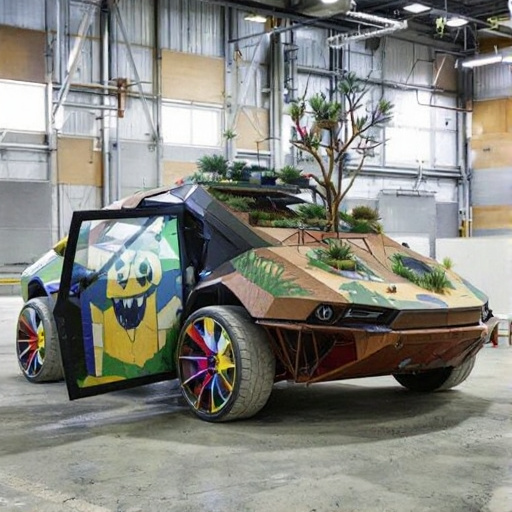
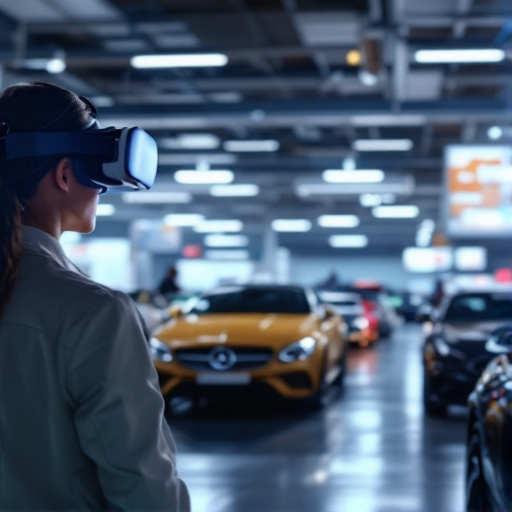
- Electric Dreams: How Holographic Displays Are Revolutionizing the Future of Automobile Cockpits
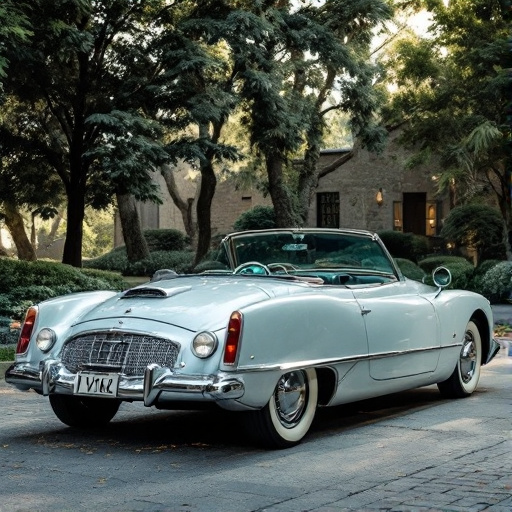
- Electric Dreams: The Unexpected Rise of Vintage Electric Cars in Today’s Eco-Conscious Market
- "From Road Rage to Digital Rage: How Auto Tech is Changing Our Emotional Connection to Driving"
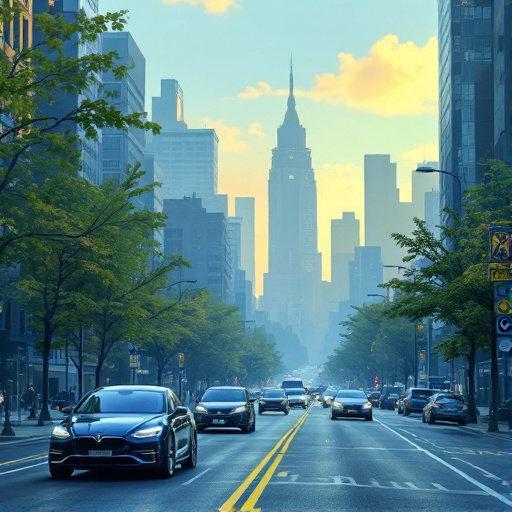
- "Silent Streets: The Rise of Electric Vehicles and Their Unintended Effects on Urban Wildlife"
- The Rise of AI-Driven Car Culture: How Algorithms are Shaping Our Driving Preferences and Choices
"From Road Rage to Digital Rage: How Auto Tech is Changing Our Emotional Connection to Driving"
"From Road Rage to Digital Rage: How Auto Tech is Changing Our Emotional Connection to Driving"
From the way we drive to our emotional reactions behind the wheel, auto technology is transforming our driving experience in unexpected ways. This article explores the shift from traditional road rage to digital rage, examining how advancements are altering our emotional connection to driving.
The Rise of Digital Rage: A New Era of Driving
As cars become increasingly equipped with smart technology, our emotions on the road are also evolving. A recent study from the AAA Foundation for Traffic Safety found that nearly 80% of drivers reported experiencing aggression towards other drivers, but with the introduction of advanced driver-assistance systems (ADAS) and infotainment features, this aggression has taken on a digital form, sometimes referred to as "digital rage." This phenomenon is characterized by frustrations that stem from technology malfunctions, notifications, or distractions that arise in modern vehicles.
The Connection Between Technology and Emotion
Did you know that our brains are hardwired for emotional responses? According to a report by neuroscientist Antonio Damasio, feelings drive our decision-making processes, especially in high-stress situations like driving. With the increase in tech features such as adaptive cruise control, lane-keeping assist, and mobile connectivity, the way we interact with our cars has shifted dramatically. Technology has made driving less about the road and more about the gadgetry at our fingertips.
Cognitive Dissonance: A Personal Story
Let me take you back to the day I decided to test out my new car with all the features—self-parking, built-in navigation, the works. On the way, I felt the thrill of being in a highly advanced vehicle. However, as the car attempted to park itself, I started to feel a wave of anxiety wash over me. I could feel my pulse quickening as I yelled "Stop!" even though I knew it wouldn't listen. This was my first taste of digital rage—a frustration that stemmed not from other drivers, but from the overwhelming reliance on technology.
COVID-19: Driving Behavior in Flux
The pandemic further altered our relationship with driving. During lockdowns, driving decreased significantly, but once restrictions were lifted, many found solace in their vehicles. A 2021 report from the National Highway Traffic Safety Administration indicated a 15% rise in road rage incidents post-pandemic. With so many feeling confined for so long, is it any wonder that our re-emerging connection to driving would come with tempers flaring and digital frustrations mounting?
Statistics that Speak Volumes
It's not just anecdotal evidence; statistics back up these trends. According to the same AAA study, 56% of drivers have encountered other drivers showing aggressive behavior, while a staggering 82% have experienced some digital inconvenience distracting them from driving safely. These distractions include mobile notifications, GPS errors, or even miscommunication with voice-activated systems.
The Multifaceted Nature of Road Rage
Road rage isn't a one-size-fits-all emotion. Traditional road rage often stems from the stress of heavy traffic or perceived incompetence from other drivers. In contrast, digital rage can arise from a myriad of factors: failing technology, connectivity issues, and the incessant dings of notifications that pull focus from the road. The American Psychological Association (APA) notes that technology-induced frustration can heighten a driver's aggressive instincts, leading to poor decision-making and potential accidents.
Digital Distractions: A Deeper Dive
Among the aspects contributing to digital rage is the infamous task of multitasking. The Human Factors and Ergonomics Society published a study showing that multitasking while driving can increase the risk of a crash by a staggering 23 times. As we increasingly engage with in-car technology—answering texts, adjusting settings, or toggling between navigation apps—our emotional states can shift from calm to agitated in seconds because of technological hiccups or interactions that disrupt our flow.
Case Study: The Tesla Effect
One notable case study on this turns the spotlight on Tesla. The company’s vehicles boast advanced autopilot features, but the excitement of this tech often turns to street-side drama. Accounts from Tesla drivers describe instances where the autopilot function misinterpreted road conditions, leading to confusion and frustration. As one YouTuber noted in a logged journey, “It was sheer panic when the car decided to brake for no reason. I felt like I was losing control, despite being behind the wheel." This unpredictability breeds digital rage, throwing a wrench in what should be an otherwise seamless experience.
Technology: The Double-Edged Sword
The advent of auto-tech has been hailed as a safety innovation. In 2023 alone, a study indicated that lane-keeping assist could reduce accidents by 10%. However, when these technologies malfunction or distract from the main task at hand—driving—they can trigger digital rage. It serves as a reminder that technology should enhance our lives, not complicate them. Are we relying too much on our cars to do the work for us when we should be the ones in control? This question lingers.
Humor in a Tense Situation
Ever found yourself yelling at your GPS when it leads you astray? Imagine a scenario where you’re driving, and you hear the ever-so-cheerful voice say, “Recalculating!” That moment can swiftly turn from trivial annoyance to full-scale digital rage. Sometimes I joke that my GPS is my biggest rival in the car. After all, who knew my loving vehicle would turn against me when I need it most? If only there were a way to coax our tech to simply admit it was wrong once in a while.
The Road Ahead: Lessons for Future Drivers
As we pave the way for a new era of driving, we must learn how to cope with our emotional responses. Auto-tech will undoubtedly progress, but our emotional relationships with driving may continue to evolve as well. Focused driving experiences can often be hampered by technology, leading to an emotional disconnect we must confront. Whether you’re craving a high-tech future or nostalgic for the old-school driving experience, acknowledging these shifts is vital as we navigate our ever-changing roads.
Persuasive Strategies for Managing Digital Rage
If you find yourself screaming at your dashboard, it might be time to step back and re-evaluate how you use technology while driving. Here are some practical tips:
- Limit Distractions: Silence your phone notifications and schedule hands-free interactions ahead of time.
- Embrace Mindfulness: Take a few deep breaths before setting off. Remember, a calm mind can lead to safer driving.
- Stay Informed: Familiarize yourself with your vehicle's tech capabilities before hitting the road.
- Boundaries with Auto-Systems: Understand the limits of your vehicle's autonomous features and don’t rely solely on them.
The Emotional Connection: Past vs. Present
In earlier times, a drive felt liberating, giving a sense of control and freedom. Today's automated features often take that control away, disconnecting us from the visceral experience of steering a vehicle. We reminisce over retro road trips where the only distraction was the sing-along between family members. This connection to driving has transformed, leading many to feel less like drivers and more like passengers in their own cars.
Conclusion: Finding Balance in a Tech-Driven World
In this brave new world of automotive technology, the challenge lies in finding a balance between innovation and human emotion. As we navigate a future where digital rage and driving coexist, awareness and emotional regulation become essential. An improved understanding of this emotional terrain, combined with a conscious approach to technology, can heal our relationship with the road ahead—turning digital frustrations into a smoother driving experience.
As we continue to witness technological advancements, let’s not forget to keep one finger on the wheel and the other on our emotions.
Related Articles