Featured Articles
- Electric Dreams: How Holographic Displays Are Revolutionizing the Future of Automobile Cockpits
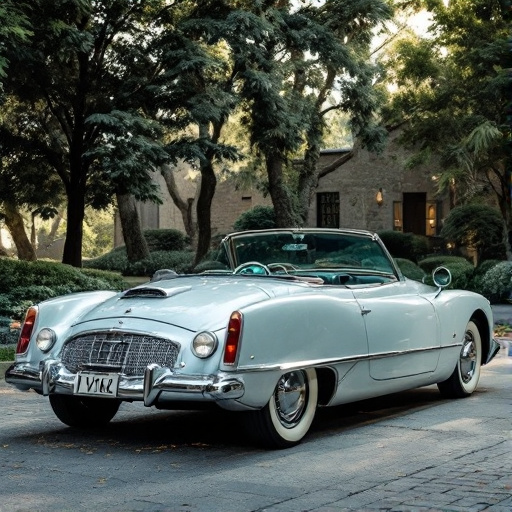
- Electric Dreams: The Unexpected Rise of Vintage Electric Cars in Today’s Eco-Conscious Market
- "From Road Rage to Digital Rage: How Auto Tech is Changing Our Emotional Connection to Driving"
- "Silent Streets: The Rise of Electric Vehicles and Their Unintended Effects on Urban Wildlife"
- The Rise of AI-Driven Car Culture: How Algorithms are Shaping Our Driving Preferences and Choices
The Rise of DIY Electric Vehicle Conversions: Are Home Mechanics the Future of Sustainable Transportation?
The Rise of DIY Electric Vehicle Conversions: Are Home Mechanics the Future of Sustainable Transportation?
The electric vehicle (EV) movement is rapidly gaining traction, but an unexpected player is stepping into the limelight: the home mechanic. As DIY electric vehicle conversions become more accessible, enthusiasts are paving the way for a new era in sustainable transportation, combining innovation with the charm of hands-on craftsmanship.
The DIY Revolution: Not Just a Fad
DIY projects have long been popular among hobbyists, from building model airplanes to crafting furniture. However, the trend of converting traditional internal combustion vehicles into electric ones is taking this passion to a whole new level.
Statistics That Spark Interest
According to a report by the International Energy Agency (IEA), global electric car sales surged in 2021, accounting for 9% of all car sales. The rise in popularity of electric vehicles coincides with a growing awareness of climate change and an urgent need to reduce our carbon footprint. As reported by the U.S. Department of Energy, the transportation sector accounts for approximately 29% of total greenhouse gas emissions. This statistic is driving many consumers to consider DIY electric vehicle conversions as a realistic alternative.
What’s Driving the Change?
There are several reasons behind the momentum of DIY electric vehicle conversions. Firstly, the push for sustainable practices is encouraging individuals to take solutions into their own hands. Additionally, the availability of electric drivetrains, battery packs, and kits tailored for conversions on the market has made these projects more feasible than ever before.
Breaking Down Barriers
Traditionally, home mechanics faced barriers such as complexity and cost. However, with companies like EVWest and Electric GT offering conversion kits, the average enthusiast can tackle these projects with modest budgets and mechanical know-how. Many kits come with instructional guides, online forums, and even community builders ready to lend a hand.
Learning Curve or Opportunity?
Conversion projects can seem intimidating, but many online resources provide ample learning opportunities. Websites like Instructables and YouTube channels dedicated to automotive DIY projects offer step-by-step guides for every skill level. Let's not forget the range of forums and communities on platforms like Reddit, where users share their experiences, mistakes, and triumphs. For every question you might have about the best battery to use or how to integrate regenerative braking, there's likely someone who's already documented their journey.
Case Study: The Mustang Gets a Makeover
Meet Mike, a 45-year-old car enthusiast from California who decided to convert his classic 1967 Ford Mustang into an all-electric vehicle. In a journey documented on his blog, Mike detailed how he scoured junkyards for parts, selected an electric motor from a reputable supplier, and transformed his beloved car into a sustainable ride. He meticulously documented every step, providing inspiration to others looking to undertake similar adventures.
The Community Factor
Mike's story exemplifies the close-knit community surrounding DIY conversions. On forums, he found like-minded individuals who shared tips on sourcing components and troubleshooting issues. The support that flourished within this community became invaluable—not only for practical knowledge but for emotional encouragement in what could be a frustrating journey.
Electric Vehicle Converters: Real Mechanics or Just Hobbyists?
The landscape of mechanics is changing dramatically. No longer is the realm of car repair reserved for licensed professionals. With the rise of DIY conversions, we find that passion and ingenuity can often surpass formal training. This creative spirit is reshaping how we think about car ownership and repair.
Breaking it Down: The Conversion Process
Converting a vehicle from gasoline to electric entails several key steps that can be both technical and gratifying. Here’s a brief overview:
- Choosing the Right Vehicle: Not all vehicles are optimal for conversion. Efficiency in weight, size, and aerodynamics can determine success.
- Selecting Components: Electric motors, battery packs, and changing over gear ratios are among the most critical aspects of the conversion process.
- Understanding Electrical Systems: Familiarity with wiring and electrical systems is crucial in ensuring a successful and safe conversion.
- Regulatory Concerns: Adapting vehicles often requires understanding local laws regarding modifications for safety certification.
The Humor in DIY Transformations
Of course, the journey isn’t without its quirks and hiccups. You might hear stories of mechanics accidentally converting their vintage rides into ‘mobile battery packs’ instead of sleek EVs. One particularly amusing case involved a guy whose “fully electric Corvette” turned out to be a 55-gallon barrel strapped to an old scooter’s engine. Other car enthusiasts chuckled, offering encouragement over the fact that while the idea might have been far from practical, the humor made it all worthwhile!
A Window into the Future?
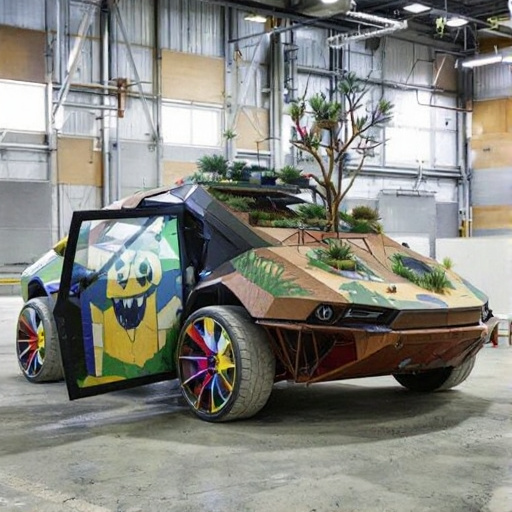
Say hello to the future of sustainable transportation! As more people realize the potential of DIY conversions, you might witness a wave of custom electric vehicles weaving through city streets. Imagine a world where eclectic cars reflect individual personalities, with a hint of rebellious spirit. Who needs mass-produced electric vehicles when you can choose one-of-a-kind rides that showcase creativity and environmental mindfulness?
Environmental Impact and Sustainability
The environmental impact of DIY electric vehicle conversions is significant; reusing existing vehicles aligns perfectly with sustainable practices. According to a study from the Ecofys Consultancy, electric cars, depending on the source of electricity, can substantially reduce life-cycle emissions when compared to their gasoline counterparts. Thus, every home mechanic who restores an old gas guzzler into a silent EV takes a powerful stand against waste and pollution.
The Roadblocks Ahead
While the movement is on the rise, it faces hurdles that can’t be overlooked. One major barrier is insurance. Many conventional insurance policies don’t cover modifications, leaving DIYers in tricky situations. Innovative insurance products specifically tailored to converted electric vehicles are still emerging, paving the way for further growth. Additionally, there’s the risk of regulatory red tape, requiring awareness and education about local laws before embarking on conversion journeys.
DIY Conversions vs. Factory-Made EVs
Though DIY electric vehicle conversions are captivating, there’s an ongoing debate about their viability compared to factory-made EVs. Factory vehicles often come with warranties, tested safety measures, and streamlined features tuned for optimal performance. But isn’t there joy in building something unique that represents your ethos? Ultimately, both options can coexist, catering to different preferences in the spectrum of automobile culture.
The Educative Effect of DIY Culture
The hands-on approach of DIY conversions fosters a culture of education. As mechanics share their experiences and offer tips, they inadvertently promote awareness regarding sustainable transportation. Workshops, online classes, and community gatherings are all burgeoning as people from various backgrounds unite over a shared passion. With younger generations becoming increasingly interested in environmental issues, DIY EV conversions could very well shape the future of automotive technology.
Ready to Join the Movement?
If you’re intrigued by the thought of converting a vehicle, remember that you don’t have to go it alone. Start by seeking out local workshops or online courses. Visit community centers that focus on sustainability to connect with fellow enthusiasts. Perhaps dive into your first small-scale project: an electric bicycle or scooter might be a simpler way to explore the electrifying frontier without overwhelming costs.
The Simple Joy of Possibilities
Ultimately, the rise of DIY electric vehicle conversions symbolizes the blend of passion, sustainability, and ingenuity. It embodies the surprising truth that everyone—whether you’re an experienced mechanic or a curious novice—can contribute to the electric future we envision. So grab your tools and embrace the journey; the world awaits your inventive touch in transportation!
Conclusion: What Lies Ahead
The rise of DIY electric vehicle conversions illuminates a path to a more sustainable automotive future, where each individual can become a part of a collective movement towards greener transportation. As this trend continues to grow, it’s clear that home mechanics have the potential to reshape the very essence of mobility, using their hands—and their hearts—to drive change. Buckle up, and let your creativity take the wheel!
Related Articles