Featured Articles
- Supercar Eco-Warriors: The Rise of Sustainable Hypercars in an Unsustainable World
- Supercar Fashion: How Luxury Cars Influence High-End Streetwear Trends
- Supercar Sustainability: How Eco-Innovations Are Shifting the Fast Lane Towards a Greener Future
- "Supercars and Sustainability: How Eco-Friendly Innovations are Changing the High-Performance Game"
- The Forgotten Masters: How Vintage Supercars Inspire Modern Design Revolutions
Supercar Sustainability: How Eco-Innovations Are Shifting the Fast Lane Towards a Greener Future
Supercar Sustainability: How Eco-Innovations Are Shifting the Fast Lane Towards a Greener Future
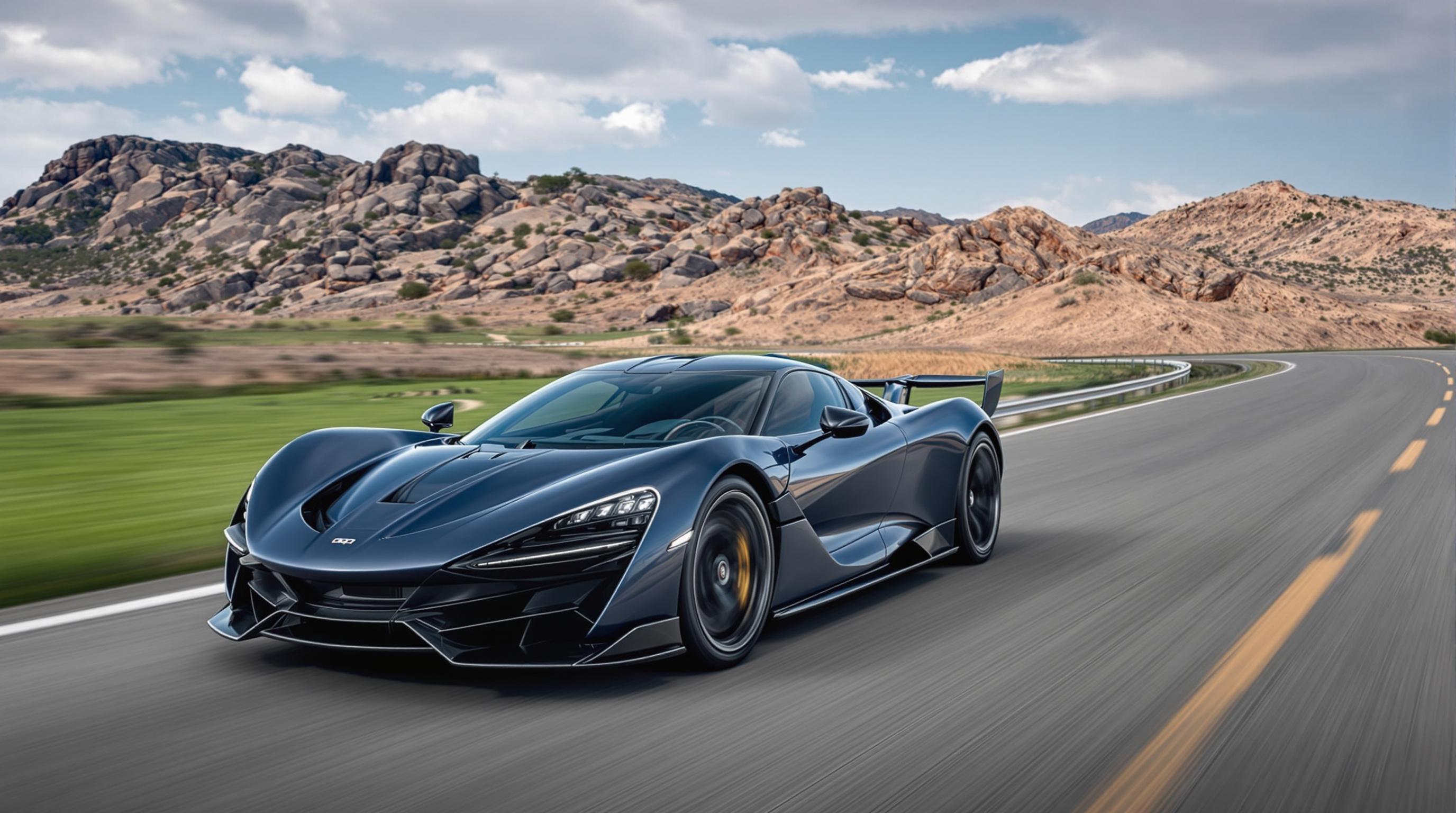
Supercars are not only symbols of speed and luxury but are now also becoming pioneers in the eco-conscious automotive revolution. As manufacturers embrace sustainability through innovative technologies, the high-octane world of supercars is gradually shifting towards a more environmentally friendly future.
A Fast-Paced Transition
Imagine a world where the roar of a powerful engine is replaced by the serene hum of electric motors. This is no longer a fantasy. With companies such as Tesla paving the way, every supercar manufacturer is beginning to rethink its strategy. According to a report by the International Energy Agency, electric vehicle (EV) sales surged to 6.6 million in 2021, showcasing a growing trend that even the speed demons of the automotive market can’t ignore.
The Green Goodies Under the Hood
Forget gas-guzzling beasts! Today’s supercars are equipped with revolutionary eco-innovations. For instance, the Porsche Taycan Turbo S can go from 0 to 60 mph in just 2.4 seconds, all without emitting a drop of carbon. Complete with an 800-volt architecture, the Taycan not only enhances performance but also offers faster charging times and improved efficiency. According to Porsche, this electric marvel can travel over 200 miles on a single charge without compromising on its exhilarating speed.
Case Study: The Lamborghini Sián
Initially, one might think, "Lamborghini and sustainability—really?" But the Lamborghini Sián incorporates cutting-edge hybrid technology, blending a V12 engine with supercapacitor technology to reduce emissions while still hitting staggering speeds. These innovations allow the Sián to produce 819 horsepower while emitting 30% less CO2 than its predecessors. The luxury sports car maker proved that eco-friendly can indeed mean high-performance.
The Good, The Bad, and The Future of Supercars
The automotive industry is shifting gears towards sustainability, yet there are still plenty of skeptics. Critics argue that while manufacturers may tout eco-friendly designs, the sheer cost of supercars can alienate the average consumer. A supercar’s sticker price often starts in the six-figure range, potentially causing a disconnect from mainstream environmental efforts.
Stories from the Heart
Let’s take a trip down memory lane. Remember when the original Toyota Prius hit the market? Its quirky design caught people’s eyes, while the idea of a hybrid was like a done deal for eco-warriors. Fast forward to today, where even supercar enthusiasts are just beginning to dip their toes into electrification. McLaren’s Artura, for instance, showcases how performance can smoothly coexist with energy efficiency. Owners may start to view their car as not just a statement of wealth, but a conscious choice towards sustainability.
Statistics to Ponder
According to a recent study conducted by Deloitte, around 30% of luxury vehicle owners stated they would consider switching to a fully electric vehicle in the next five years. This statistic doesn’t merely reflect a trend; it underlines a cultural shift in consumer behavior. The fascination with inventory might just take a backseat to how a car aligns with ecological values!
The Supply Chain Shift
In addition to innovative technologies, the industry is also rethinking the supply chain. Benjamin, an 18-year-old car enthusiast, shared his thoughts on the subject: “It’s super cool to see car companies focusing on sustainable materials—like recycled plastics and bio-composites. It’s not just about the engine but also what materials are used to build the car.” His statement is echoed by many young consumers who prioritize sustainability over mere horsepower.
Utilities Behind Closed Doors
But what happens behind the scenes? More and more manufacturers are investing in green energy sources for their production facilities. For instance, BMW has committed to ensuring that all of its production plants worldwide will operate on 100% renewable energy. Their efforts have resulted in a 20% reduction in CO2 emissions per vehicle produced since 2006. Talk about driving change without leaving a carbon footprint!
The Lighter Side of Sustainability
Now let’s lighten things up! Ever wondered what a car would be like if it were built like a salad? Picture this: a vehicle made entirely of plant-based materials that could be composted after its lifespan. Maybe “carb-oration” will be the next trend in eco-automobiles! Just kidding—those seats won’t hold your curves quite as well as leather, but hey, every little bit counts, right?
Persuasion and Purpose
Let’s talk about progress. Consumers, especially those aged 16 to 35, are increasingly driven by purpose—demanding more from their purchases. By shifting to electric powertrains or employing sustainable practices, companies can create a competitive edge while also aligning with the values of a younger audience. Especially in an era where social media influencers promote eco-conscious living, luxury brands can no longer afford to be behind the curve.
Going Beyond the Product
These eco-initiatives can lead to significant public relations wins. Companies like Aston Martin are not only focusing on low-emission engines but also pledging to make their entire supply chain more sustainable. Think of it this way: it’s not just about making green machines; it’s about presenting themselves as pioneers of a new eco-era in luxury vehicles.
A Shift in Values
“When I think of driving a supercar, I want more than just speed—I want the whole experience to be something I can be proud of,” said Julia, a 25-year-old marketing manager. Her sentiment resonates with the current mindset of eco-conscious millennials and Gen-Z consumers, driving the message home: modern supercars have a responsibility beyond mere aesthetics and performance; they must also consider their environmental impact.
Wrapping Up the Race
In conclusion, the transformation of supercars is far from a trivial pursuit. The automotive industry is blending speed with sustainability, creating a new paradigm in which eco-innovations reign supreme. As manufacturers invest time and resources in creating high-performance green machines, we might find ourselves in a world where luxury and eco-friendliness go hand-in-hand. Driving a supercar may soon mean making a choice that contributes positively to the planet—a win-win scenario.
Related Articles