Featured Articles
- Supercar Eco-Warriors: The Rise of Sustainable Hypercars in an Unsustainable World
- Supercar Fashion: How Luxury Cars Influence High-End Streetwear Trends
- Supercar Sustainability: How Eco-Innovations Are Shifting the Fast Lane Towards a Greener Future
- "Supercars and Sustainability: How Eco-Friendly Innovations are Changing the High-Performance Game"
- The Forgotten Masters: How Vintage Supercars Inspire Modern Design Revolutions
The Rise of Electric Supercars: Will They Outperform Traditional Icons in Speed and Style?
The Rise of Electric Supercars: Will They Outperform Traditional Icons in Speed and Style?
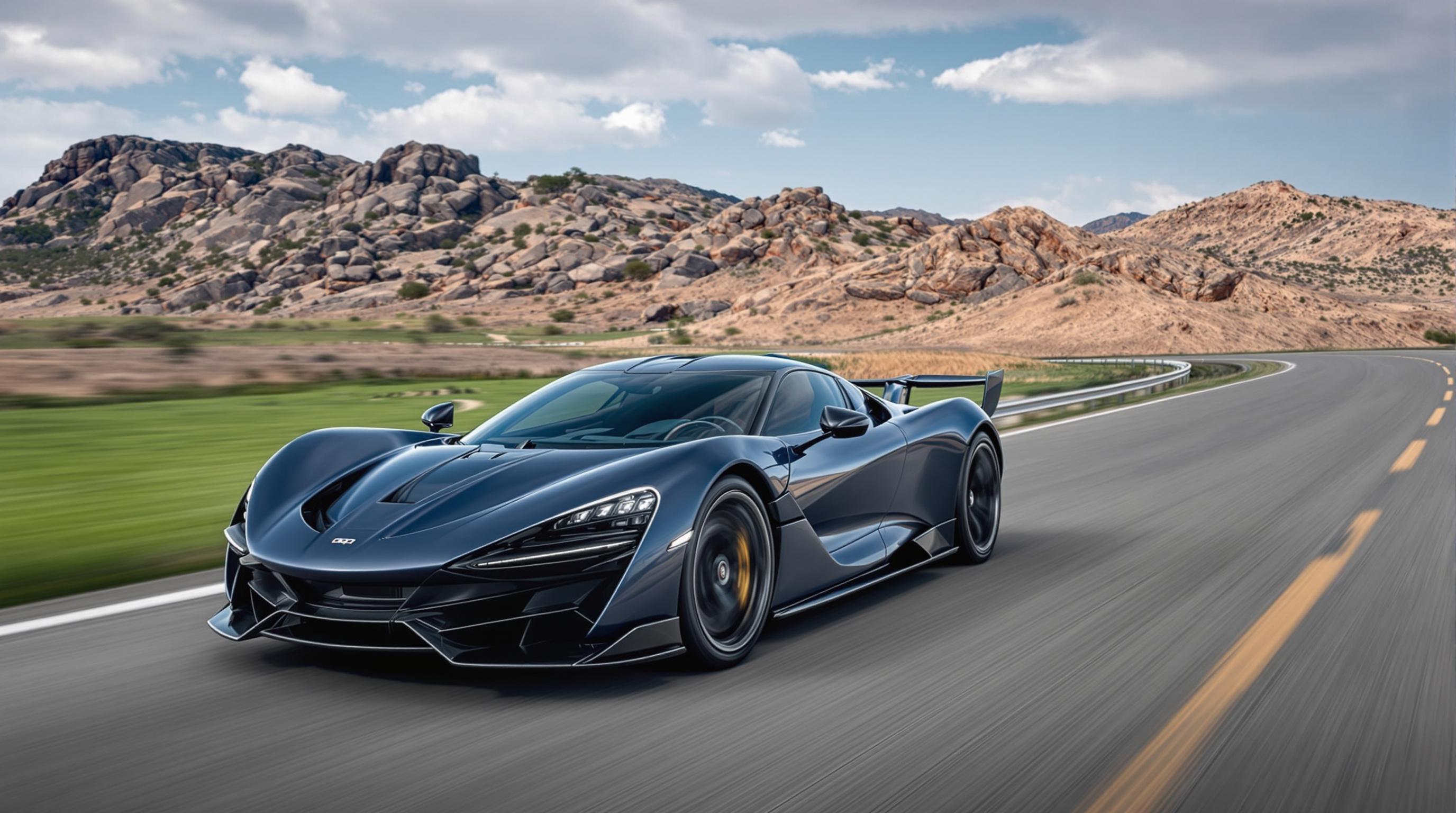
The electrification of supercars is rapidly reshaping the automotive landscape, challenging the supremacy of traditional performance icons through unmatched speed and innovative design. As consumer preferences shift towards sustainability, the question arises: will electric supercars not only match but surpass their gas-guzzling predecessors in both style and prowess?
The New Era of Speed
Speed is the name of the game when it comes to supercars, and the introduction of electric models certainly escalates the stakes. Electric motors generate torque instantly, leading to blistering acceleration figures. For instance, the Rimac Nevera, an electric hypercar, boasts a 0-60 mph time of just 1.85 seconds, putting even the fastest gas-powered cars in the rearview mirror.
A Personal Journey into the Electric Realm
Let me take you back a few years ago when I was still skeptical about electric supercars. At a luxury car show, I stumbled upon a striking car that looked like it had been plucked straight from a sci-fi movie—The Tesla Roadster. As I approached, I chuckled aloud, thinking, "This toy clearly can’t compete with the likes of Ferrari or Lamborghini!" After a brief chat with the knowledgeable sales rep and later doing some research, I realized I might be eating my words. The Roadster not only shattered existing speed records but did so while emitting no emissions. In that moment, my beliefs shifted, indicating a major paradigm change for car enthusiasts.
The Design Debate
When discussing electric supercars, one cannot ignore the importance of aesthetics. The sleek lines and futuristic features of models like the Lotus Evija and the BMW i8 beg the question: do we even need the roaring engines of the past? A survey conducted by the automotive design agency (Automotive Design Research, 2022) revealed that 72% of potential buyers between 18-35 prefer the modern, minimalistic designs typical of electric vehicles.
Coloring Outside the Lines: The Style Factor
In my teenage years, I was obsessed with the aesthetics of cars—think sleek contours, glimmering chrome, and, of course, the thundering sound of a V8 engine. Today, as a 28-year-old writer, I find the minimalist look of electric supercars tantalizing. Designers like Henrik Fisker have embraced this shift in perception by creating vehicles that are as much a piece of art as they are summits of engineering. Just look at the Fisker Karma, which originally debuted with an eco-friendly flavor while still turning heads at every corner.
A Case Study of Performance
Let’s not get too carried away with design without considering performance. Take the Porsche Taycan, for instance. With an 0-60 mph time of just 2.4 seconds and a top speed of 161 mph, it embodies electrical prowess while maintaining the performance heritage that Porsche enthusiasts swear by.
The Green Revolution
Electric enthusiasm is also supported by the growing trend of sustainability. With nearly 70% of millennials expressing environmental concerns in a recent survey by Statista (2023), electric supercars capitalize on this awareness. Brands like Lucid Motors are not just focusing on performance but also on offering some of the cleanest technologies available, promising a future where driving a supercar is synonymous with being eco-friendly.
The Downtime Dilemma
While electric supercars indeed bring a plethora of benefits, there’s a catch—charging. Consider the time taken to plug in versus filling up a tank in mere minutes. Some traditionalists argue that this downtime makes electric vehicles less practical for long road trips or spontaneous speed runs. Yet, statistics show that with the improved infrastructure and fast-charging options, over 90% of daily car trips could be accomplished without a recharge, making this concern less significant in everyday contexts.
A Clash of Cultures
The transition from traditional petrol engines to electric alternatives also reflects a cultural clash within the automotive community. While some purists cling to the roaring engines and the symphony they create, others revel in the silent stealth of electric drives, making them feel like secret agents zipping through urban landscapes. As someone who appreciates both realms, I often wonder if there's space for both innovations in the automotive aisle. Do we really need to abandon the thrill of gas engines entirely?
The Iconic Battle: Brands in the Ring
Let’s not forget about the heavy hitters in the industry. Legendary names like Bugatti and McLaren are already responding to the electric shift, with Bugatti even teasing an electric variant of its famous Chiron. If anyone can merge style, speed, and sustainability, it's likely these iconic brands.
The Road Ahead: What’s Next?
As we venture into the future, will the world be ready to wholly embrace the electric supercar? Consider this: The International Energy Agency (IEA) projects that by 2030, electric vehicles could make up nearly 30% of all new car sales globally. With incentives rolling in from various governments aimed at promoting cleaner travel options, it seems unlikely that electric supercars will fade away.
The Silent Revolution
The concept of "loud and proud" is slowly being redefined. Electric models like the Pininfarina Battista offer not just beauty but also an impressive 1,900 horsepower—all while being virtually whisper-quiet. This technology is disruptive in the best sense. Coupled with dramatic design cues, you can hear practically nothing while being thrust back into your seat at breakneck speeds—a thrilling contradiction.
Conclusion: Two Roads Diverging
As a 35-year-old automotive enthusiast, I see electric supercars not as a replacement for traditional performance vehicles, but rather as a new path that invites innovation. The industry is ripe for transformation, and whether or not electric supercars outperform their iconic predecessors in the long run depends on various factors—including consumer preferences, environmental policies, and continued technological advancements. What remains clear is that the roaring engines of yesteryear are on a collision course with the sound of silence. The question isn't whether electric supercars will arrive but rather how amazing they will be when they do.
Related Articles