Featured Articles
- Supercar Eco-Warriors: The Rise of Sustainable Hypercars in an Unsustainable World
- Supercar Fashion: How Luxury Cars Influence High-End Streetwear Trends
- Supercar Sustainability: How Eco-Innovations Are Shifting the Fast Lane Towards a Greener Future
- "Supercars and Sustainability: How Eco-Friendly Innovations are Changing the High-Performance Game"
- The Forgotten Masters: How Vintage Supercars Inspire Modern Design Revolutions
The Rise of Eco-Friendly Supercars: Can Eco-Conscious Engines Compete with Performance?
The Rise of Eco-Friendly Supercars: Can Eco-Conscious Engines Compete with Performance?
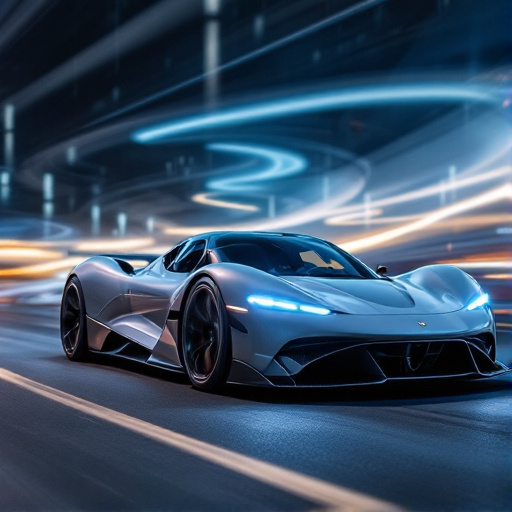
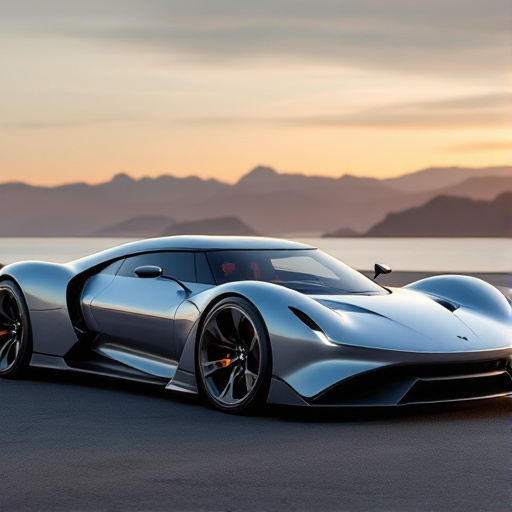
The emergence of eco-friendly supercars is transforming the automotive industry, offering a glimpse into a future where performance and sustainability coexist. By harnessing innovative technologies, these vehicles challenge the notion that high performance must come at the expense of the environment.
The Intersection of Performance and Sustainability
It’s an exciting time for car enthusiasts and eco-conscious individuals alike. Historically, performance cars were synonymous with high fuel consumption and significant emissions. However, recent advancements in engineering and technology have paved the way for vehicles that not only thrill with their speed but also respect the planet. Supercars such as the Rimac C_Two and the Tesla Roadster are leading the charge with electric powertrains that produce mind-boggling statistics, with the former boasting a 0-60 mph time of under 2 seconds.
The Birth of Eco-Passion: A Personal Story
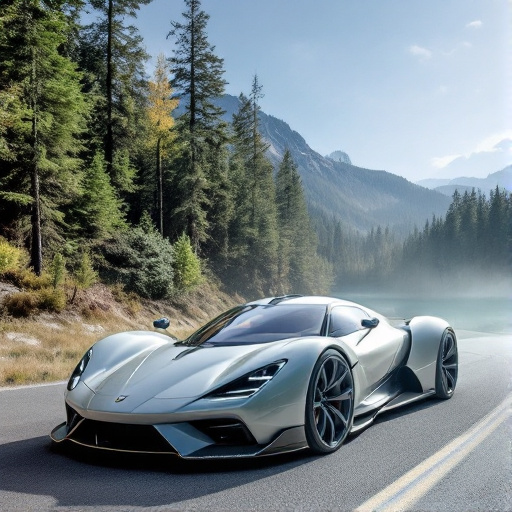
As a 26-year-old car enthusiast, I grew up dreaming of gas-guzzling engines and roaring exhausts. Yet, after a stunning realization during a road trip where I witnessed the impact of pollution on a beautiful landscape, my passion evolved. I distinctly remember the haze engulfing the mountains, contrasting sharply with the vivid greens of the forest. This moment ignited my curiosity about how supercars could achieve remarkable performance without leaving a negative imprint on our planet.
Statistics Speak Volumes
To illustrate the momentum of eco-friendly supercars, let’s dive into some statistics. According to a report from the International Energy Agency (IEA), electric vehicle sales surged by 140% in 2020, with supercars like the Porsche Taycan and the Lucid Air leading the luxury segment. It’s projected that by 2030, electric vehicle sales will account for about 30% of the market share in the luxury realm (IEA, 2021). This statistic speaks not only to consumer demand but also to manufacturers' willingness to invest in greener technologies.
Performance Metrics of Eco-Friendly Engines
Critics argue that eco-friendly engines can’t compete with their gasoline predecessors, claiming they lack the exhilarating performance that drivers crave. However, contrary to these assertions, electric engines generate maximum torque instantaneously, translating to incredible acceleration and responsiveness. For instance, the Rimac C_Two delivers a staggering 1,914 horsepower and a top speed of 258 mph, rivaling traditional supercars while running on eco-friendly power. As performance metrics mature, eco-friendly engines are proving that they’re not merely a fad but a new frontier in automotive technology.
Model Showcase: The Games Revolutionized
Let’s take a closer look at how specific models have incorporated eco-conscious technology without sacrificing speed. The McLaren P1, with its hybrid powertrain, achieved an astonishing 903 horsepower, whispering to enthusiasts that green is indeed the new black. Furthermore, the Ferrari SF90 Stradale showcases a balance of performance and efficiency, harnessing the power of a V8 engine paired with three electric motors to create an electrifying driving experience.
The Funny Side: Eco-Truths versus Jokes
As I peruse car forums, I can’t help but chuckle at how some enthusiasts react to the rise of eco-friendly supercars. One comment read, “Having an electric supercar is like drinking decaf coffee; it’s just not the same!” While emotions run high in this debate, it’s essential to appreciate that just because performance is electrifying doesn’t mean the thrill is lost—it’s simply evolving. While I appreciate a good laugh, it’s clear: eco-friendly supercars are fully capable of providing the adrenaline rush we crave.
Case Studies: Success Stories
Let’s examine companies that have successfully integrated eco-conscious engines into their models. The Porsche Taycan, launched in 2019, became a sensation, not only for its incredible speed of 0-60 mph in just 2.4 seconds but also for its sustainability. The Taycan production boasts a carbon-neutral footprint, and the brand is committed to electrifying 50% of its lineup by 2025. This tangible commitment enhances its reputation among eco-conscious consumers and performance aficionados alike.
The Future of Supercars: Then and Now
Reflecting on the past, it’s astonishing to witness how far we’ve come. In the 2000s, the Ferrari F430 was the epitome of speed and luxury. Fast forward to today, and we have manufacturers like Rimac and Lucid redefining what it means to be a supercar. The entire landscape is shifting, placing eco-friendly technologies at the forefront of automotive evolution, laying the groundwork for future innovations.
The Green Effect: Consumer Perspectives
As consumers grow more conscious of their environmental impact, the demand for eco-friendly supercars will likely continue to rise. A recent survey by MotorTrend revealed that 75% of potential car buyers would consider purchasing an electric vehicle if performance metrics were comparable to traditional models. This means that automotive companies that ignore this trend risk alienating a growing segment of the market.
Breaking Barriers: Challenges Ahead
Despite their potential, eco-friendly supercars still face challenges. Battery technology and charging infrastructure remain significant hurdles. As verified by the U.S. Department of Energy, “While electric vehicles are becoming more efficient, battery technology needs further improvement to increase range and quick charging capabilities.” These barriers may hinder widespread adoption at the moment; however, ongoing innovations are paving the way for viable solutions.
Regulatory Changes: The Catalyst for Change
Government policy is playing a significant role in the rise of eco-friendly supercars. In Europe, several countries have pledged to ban the sale of new petrol and diesel vehicles by 2030. Such measures spur manufacturers to innovate and invest in eco-friendly solutions to stay competitive. For instance, McLaren has announced its decarbonization strategy, aiming for a 20% reduction in carbon emissions by 2025. This regulatory push could serve as a catalyst for the green revolution we've been anticipating.
Innovation on the Horizon
The car industry has never ceased to explore innovative solutions, and the shift towards eco-friendly supercars is no exception. Companies are investing in hydrogen fuel cells, advanced battery technologies, and even synthetic fuels as potential alternatives to traditional engines. For example, the Toyota Mirai, a hydrogen fuel cell vehicle, demonstrates high efficiency while producing only water as a byproduct. As we forge ahead, it’s clear that the quest for greener supercars is not merely a trend but a necessity.
Pushing Boundaries: The Mind Behind the Magic
Engineers and designers are also essential players in this narrative. They are consistently pushing the envelope, showing creativity that goes beyond aesthetics. Their work with lightweight materials, advanced aerodynamics, and innovative drivetrain designs encapsulates a drive for performance without leaving a substantial carbon footprint. The team behind the Rimac C_Two, led by Mate Rimac himself, serves as an emblem of this vision. Their invention isn’t just a car; it’s a statement that luxury and sustainability can indeed coexist.
A Conclusion with Hope
As I close my thoughts on the evolution of eco-friendly supercars, I feel hopeful about the future of the automotive industry. It stands on the brink of a transformative shift—one that harmonizes high performance with environmental considerations. What once seemed like a fairytale of engineering possibility is now an emerging reality. Whether you're a teenager dreaming of your first car or a seasoned enthusiast in your sixties, the world of supercars is expanding to include solutions that reflect a love for both speed and our fragile planet.
So next time you contemplate your dream car, remember that you have options that accelerate into the future without compromising the environment. The eco-friendly supercar isn’t just a possibility; it’s rapidly becoming a cornerstone of modern automotive design. Now, let’s buckle up and enjoy the ride to a greener tomorrow.
Related Articles