Featured Articles
- Supercar Eco-Warriors: The Rise of Sustainable Hypercars in an Unsustainable World
- Supercar Fashion: How Luxury Cars Influence High-End Streetwear Trends
- Supercar Sustainability: How Eco-Innovations Are Shifting the Fast Lane Towards a Greener Future
- "Supercars and Sustainability: How Eco-Friendly Innovations are Changing the High-Performance Game"
- The Forgotten Masters: How Vintage Supercars Inspire Modern Design Revolutions
"Supercars and Sustainability: How Eco-Friendly Innovations are Changing the High-Performance Game"
"Supercars and Sustainability: How Eco-Friendly Innovations are Changing the High-Performance Game"
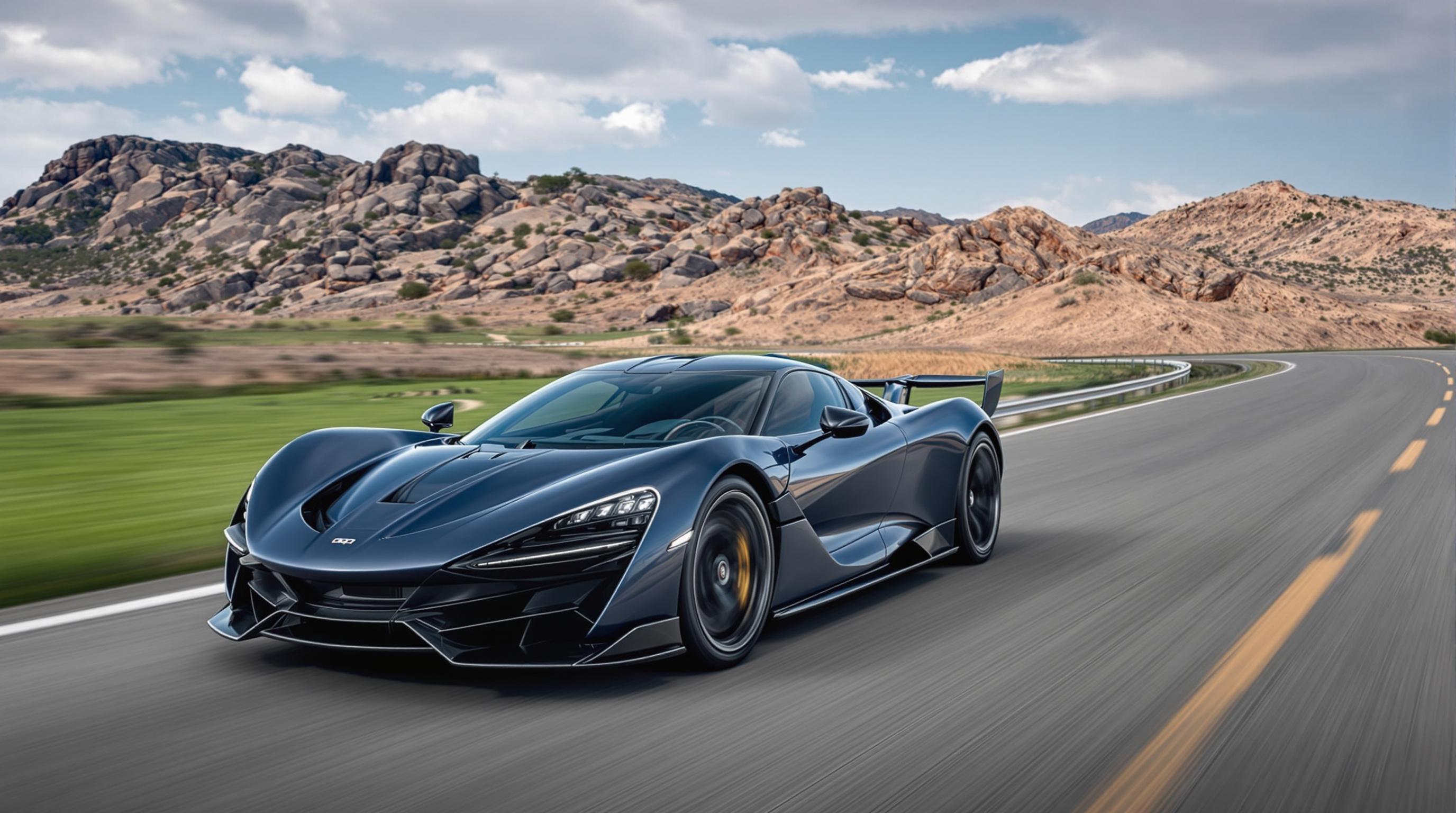
Supercars are often associated with high speed, luxury, and performance, but the latest eco-friendly innovations are driving a revolution in the automotive world. Today, manufacturers are blending green technology with high-performance engineering, creating vehicles that are not just fast but also sustainable.
The Race Against Climate Change
Once upon a time, supercars roared down the highway, announcing their presence with guttural growls and clouds of exhaust fumes. But as our planet grapples with climate change, car enthusiasts are awakening to the responsibility of their passions. A study from the International Energy Agency (IEA) shows that transportation accounts for over 24% of global CO2 emissions—making it one of the largest contributors to climate change. As a result, many high-performance brands are putting sustainability on the map.
Electric Supercars: The New Breed
Picture this: a sleek, aerodynamic vehicle, no engine noise, and a 0-60 mph sprint in under three seconds. Welcome to the world of electric supercars! The Rimac C_Two, for instance, boasts a staggering 1,914 horsepower and can reach 60 mph in just 1.85 seconds. What's more? It runs entirely on electricity. Unlike their petrol-powered predecessors, electric supercars not only deliver breathtaking performance but also promise a reduction in harmful emissions.
Case Study: Tesla’s Acceleration into the Supercar Market
Tesla, often at the forefront of the electric vehicle revolution, exemplifies how sustainability can coexist with high performance. The Model S Plaid has garnered attention for its mind-blowing specs, including a quarter-mile time of just 9.23 seconds—faster than most supercars on the market. Additionally, Tesla’s commitment to renewable energy and sustainability has inspired other manufacturers to rethink their designs and materials.
Hybrid Vehicles: Marrying Performance and Efficiency
While electric supercars are making waves, hybrids are also part of the conversation. The McLaren P1, for example, combines a twin-turbo V8 engine with an electric motor to deliver an exhilarating driving experience while maintaining efficient fuel consumption. The automotive industry sees hybrid technology as a bridge between traditional combustion engines and the fully electric future.
The Roll of Materials in Sustainable Supercars
Luxury doesn't have to mean harmful to the environment. Manufacturers are starting to replace traditional materials with sustainable alternatives. Smart use of carbon fiber not only reduces weight but also minimizes the environmental footprint. Brands like Lamborghini have pioneered the use of natural fibers in their interiors, showcasing how eco-friendly materials have gained prestige alongside their high-performance specifications.
The Cost of Going Green
But let’s not sugarcoat it—the journey towards sustainability comes with a hefty price tag. The initial cost of electric supercars can deter potential buyers. Take the concept of the Aston Martin Valhalla, whose projected price is around $1.3 million. It might seem exorbitant, but luxury and performance have always commanded high prices. The question remains: Is the premium worth the potential environmental benefits?
Story Time: An Aficionado's Journey to Eco-Consciousness
As a self-proclaimed petrolhead, I've spent countless hours dreaming of supercars that roar like lions and burn rubber like it’s the last day on Earth. However, a recent trip to a local track opened my eyes to a quieter world of electric performance and sustainability. Watching an electric supercar zip by silently, yet powerfully, made me realize that being an enthusiast doesn’t have to mean sacrificing the planet. I found myself torn: could a car that hums softly really give the same thrill as one that makes the ground shake? Spoiler alert: it can!
Consumer Demand: Pushing Brands Towards Innovation
Millennials and Gen Z are more eco-conscious than ever. Recent surveys indicate that over 60% of young drivers prefer brands that focus on sustainability. For supercar manufacturers, this demographic shift is creating a substantial business case for greener innovations. We are witnessing a wave of new customers who demand performance alongside sustainability, forcing brands to adapt or risk obsolescence.
Expanding the EV Infrastructure
The challenge of introducing electric supercars also involves the development of supportive infrastructure. As charging stations proliferate, the once-daunting notion of owning an electric supercar is becoming more palatable. Companies like ChargePoint provide an extensive network of fast chargers, paving the way for potential buyers who may have hesitated due to range anxiety.
Cultural Shift: Redefining ‘Cool’
The image of classic supercars with roaring engines has long been associated with wealth and status. However, the new wave of eco-friendly supercars is changing what it means to be "cool." Recent marketing campaigns have begun to celebrate electric performance vehicles as symbols of innovation rather than detriments to environmental health.
The Regulatory Landscape and Supercar Legislation
Governments worldwide are stepping in with regulations to assist the transition to greener vehicles. In 2020, the U.S. Congress approved a range of tax incentives aimed at promoting the manufacturing of electric vehicles (EVs). Similar initiatives in Europe, including the EU's commitment to prohibit sales of new petrol and diesel cars by 2035, further integrate sustainability into the industry.
Manufacturers Taking the Lead
On the manufacturer's side, brands like Porsche have launched the Taycan Turbo as an electric alternative to their legendary 911. This 4-door powerhouse encapsulates performance and eco-friendliness, shattering preconceptions about what an electric car can achieve. It even managed to set a record at the Nürburgring, showing that speed and sustainability can truly coexist.
The Future Looks Bright (and Green)
As we hurtle towards the future, the supercars of tomorrow will likely be fully electric and boast performance metrics that would make the world’s fastest petrol vehicles envious. According to a report from BloombergNEF, electric vehicles are expected to make up 58% of global passenger vehicle sales by 2040. The supercar segment will be at the forefront, proving that even the realms of luxury and performance can embrace eco-friendliness.
Compromises to Consider
Observant consumers must remember that even eco-friendly innovations come with trade-offs. The environmental impact of battery production and disposal poses challenges, and while electric motors might reduce emissions during operation, they introduce new concerns throughout their lifecycle. Consumers are encouraged to educate themselves on various models' full environmental impact before making a purchase.
A Call to Action: Be Part of the Change
In the end, the shift towards sustainable supercars symbolizes something more significant than faster speeds and greener technologies; it encapsulates a collective responsibility. From manufacturers to consumers, we have the power to influence the direction of the automotive industry. By supporting eco-friendly innovations in high-performance vehicles, we're not just buying stylish machines—we're investing in the future of our planet.
Humor on the Highway to Sustainability
Let’s be honest: while the world of supercars is exhilarating, it often resembles a high-society party filled with suit-clad gentlemen and ladies sipping champagne. Picture this: a Lamborghini slides into the driveway, and everyone turns. “Oh look, it’s the gas guzzler,” someone whispers. Now, imagine that same scene but with a Tesla roadster. Suddenly you hear, “Oh, they must care about the planet! What classy folks!” Who would have thought reducing carbon emissions could be such a fashion statement?
Conclusion: The Road Ahead
The synergy of supercars and sustainability is not just a trend; it’s a necessity. As innovations in electric powertrains, hybrid systems, and eco-friendly materials gain momentum, we stand on the precipice of a new age in the automotive world. High-performance doesn't have to mean harmful—let’s rev up the engines of change together for a greener, faster, and brighter future.
Related Articles